Season
Mullet fishing season
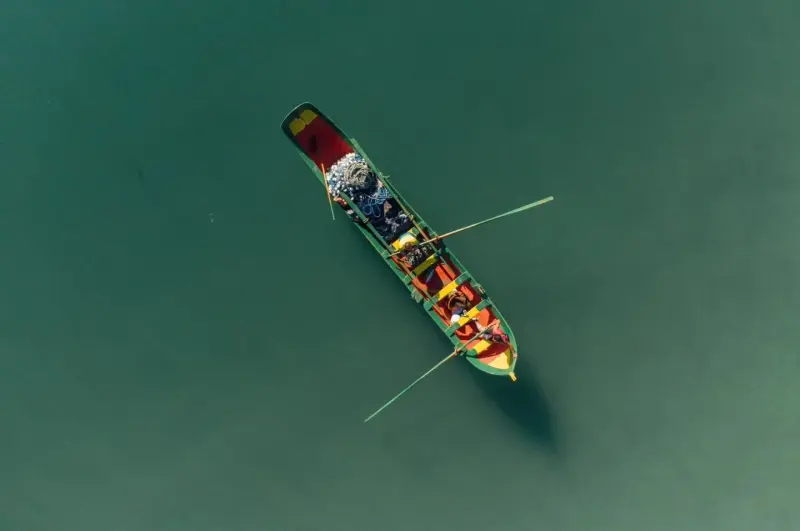
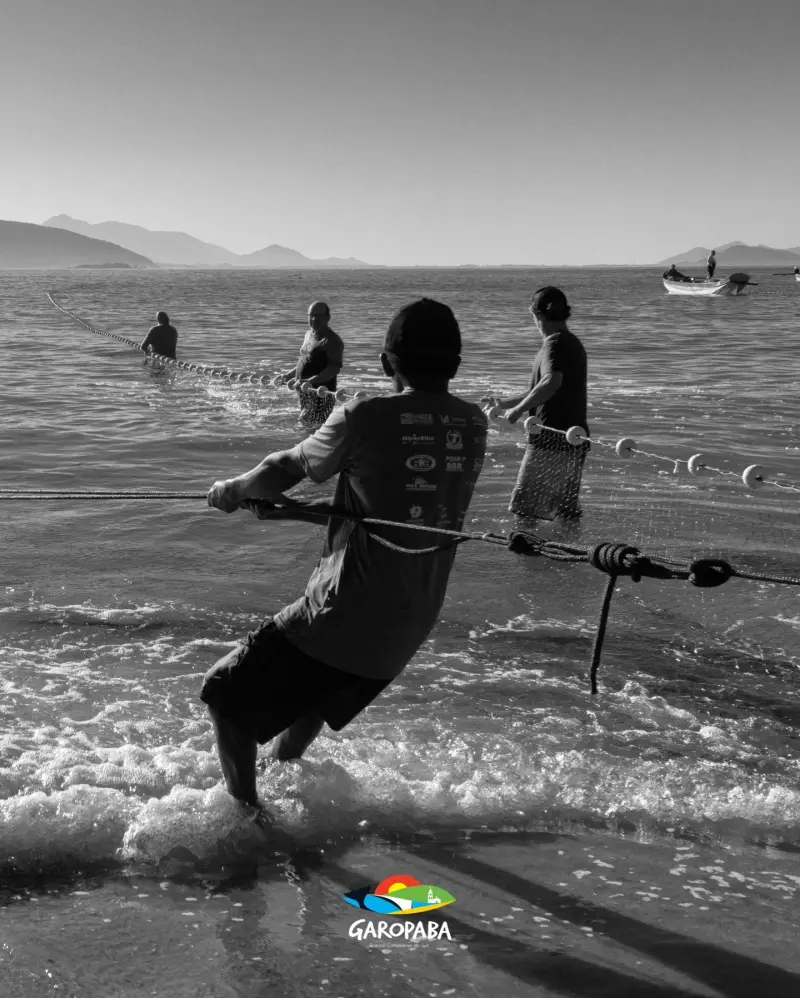
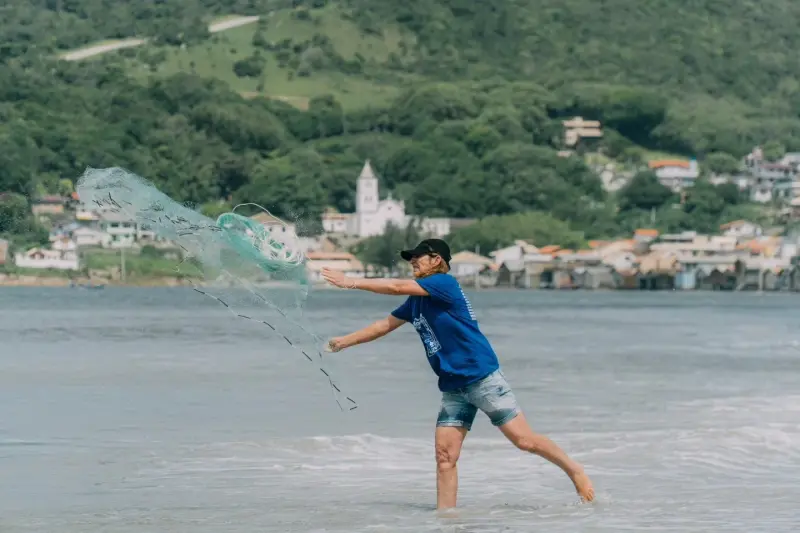
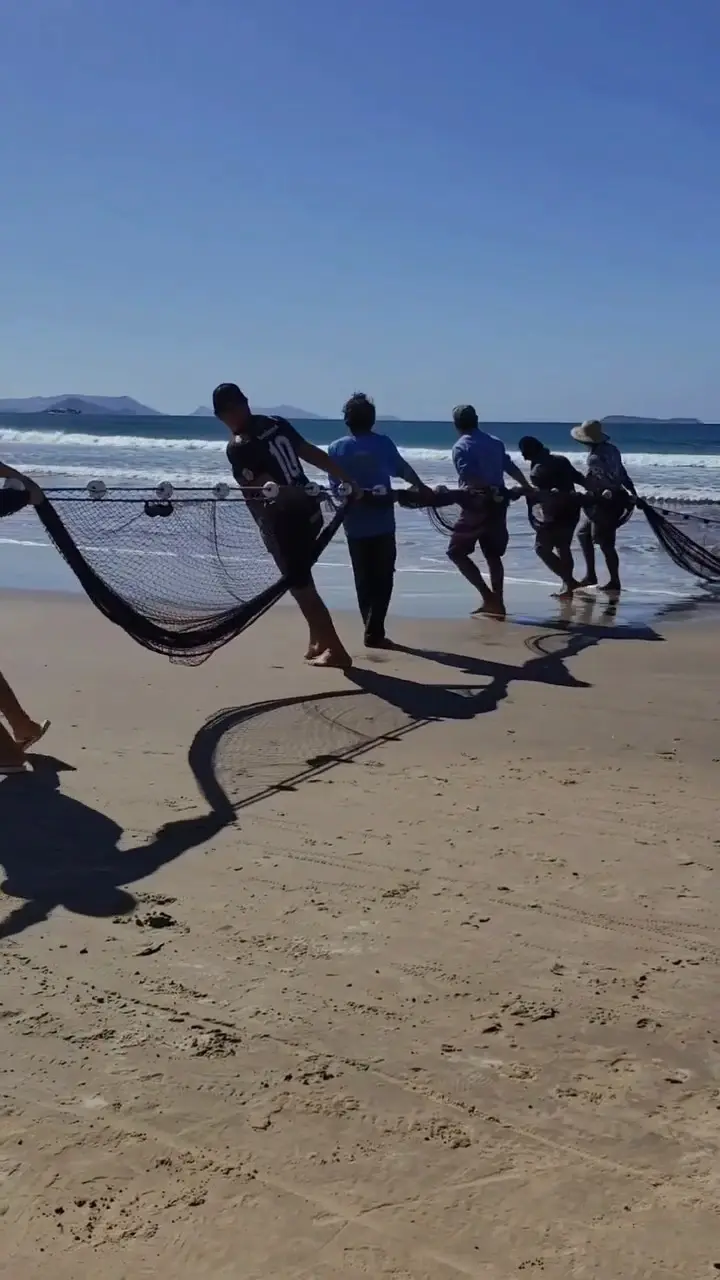
From May to July, fishermen watch the sea and encircle the mullet schools with rowing canoes and nets hauled from the sand: an Azorean tradition you can see up close.
- When
- From May to July
- Where
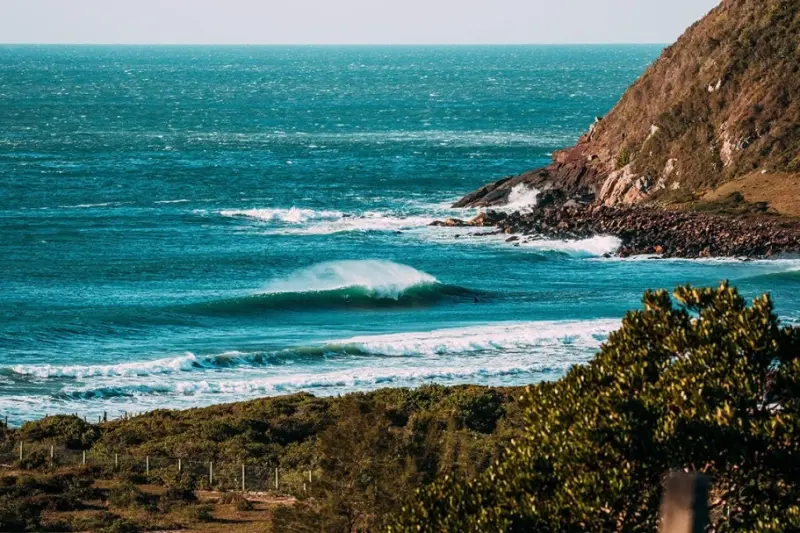
- Gamboa, Siriú, Garopaba (Praia Central and Vigia), Silveira and Ouvidor beaches
Approximate period: it depends on nature, no exact date.
-

-
-
-

-
-
-
-
-
-
-
-

-
-

-
-
-
-


Photos: PREFEITURA DE GAROPABA (opens in a new tab); Garopaba Por Aí (@garopabaporai_tv) (opens in a new tab); Claudio Seelig, CC BY-SA 4.0, via Wikimedia Commons (opens in a new tab).
What it is
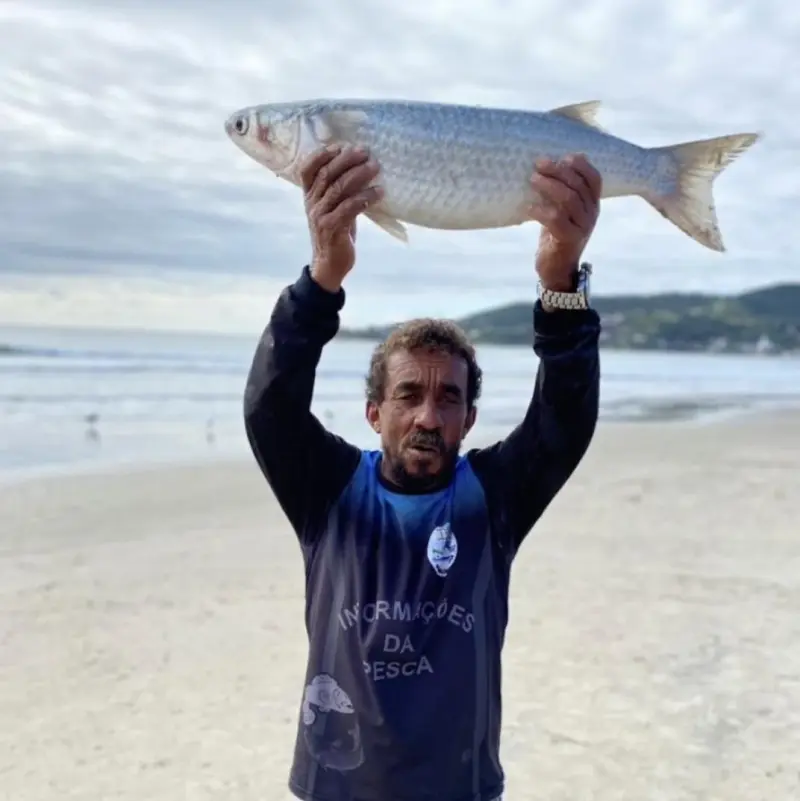
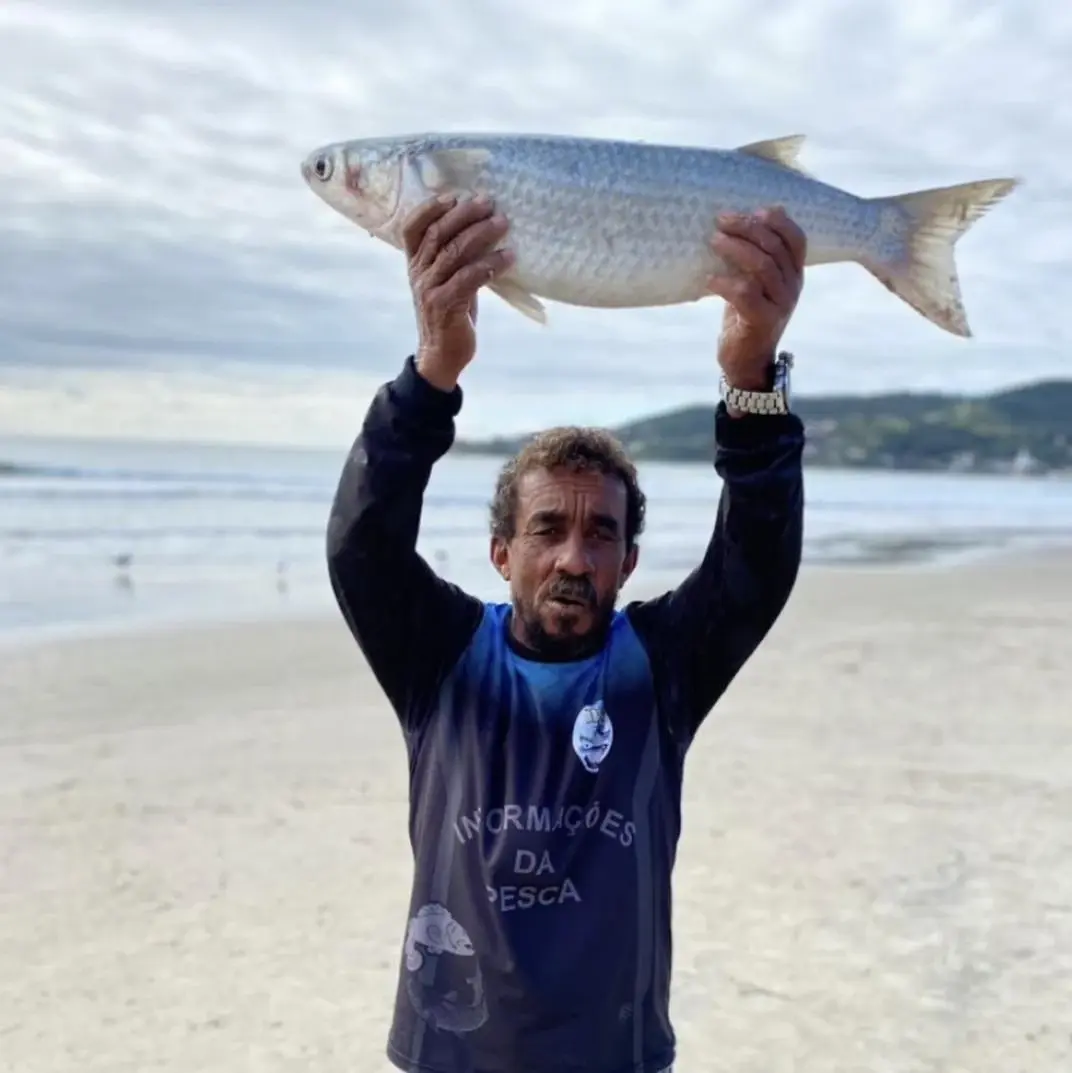
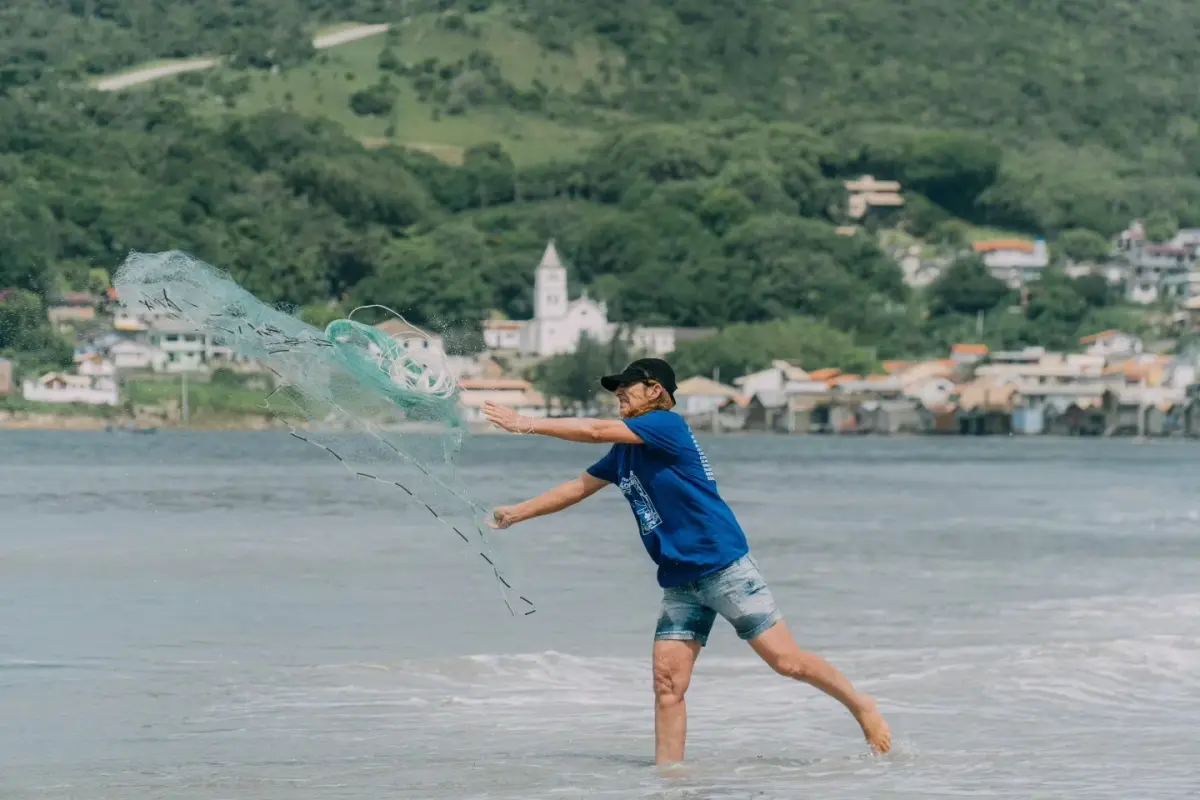
Artisanal mullet fishing is the strongest tradition on the Garopaba coast, inherited from the Azorean settlers of the region, and is recognized as cultural heritage of Santa Catarina. In autumn and winter, mullet pass along the coast in huge schools, and the fishing communities organize themselves into shacks and fishing spots on the beaches, each with someone in charge.
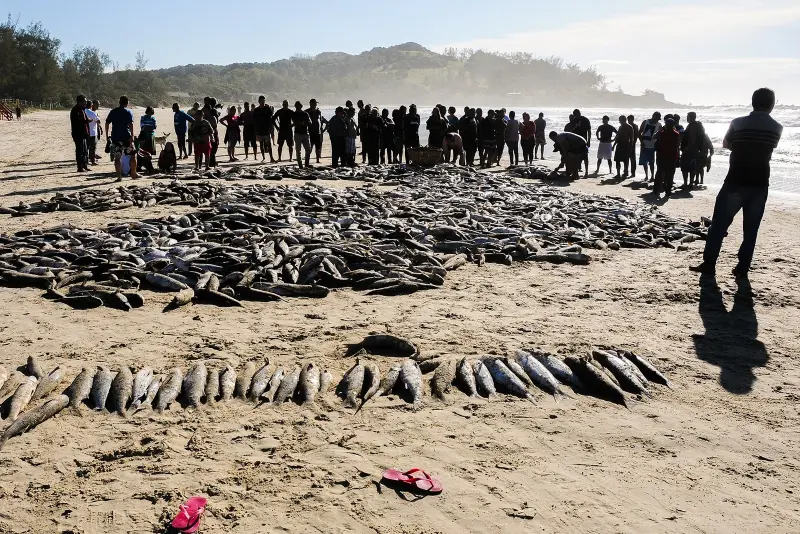
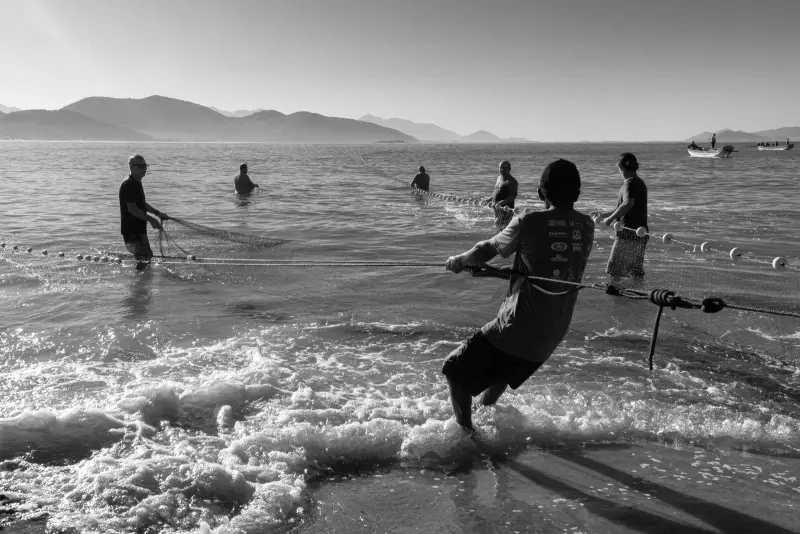
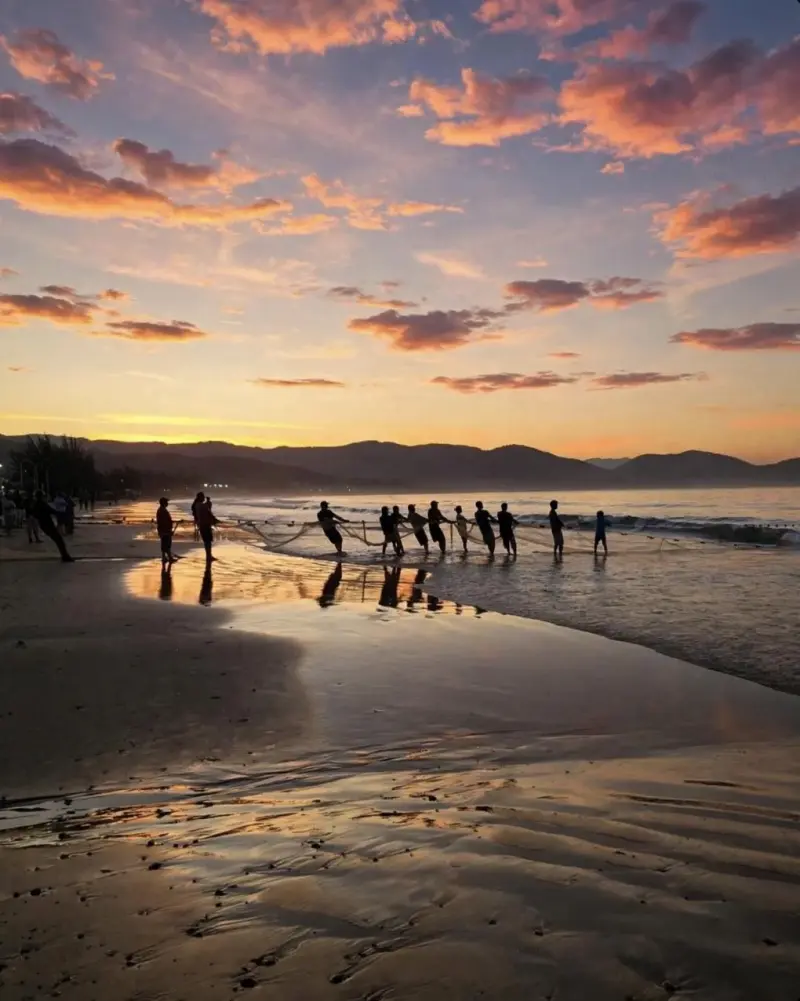
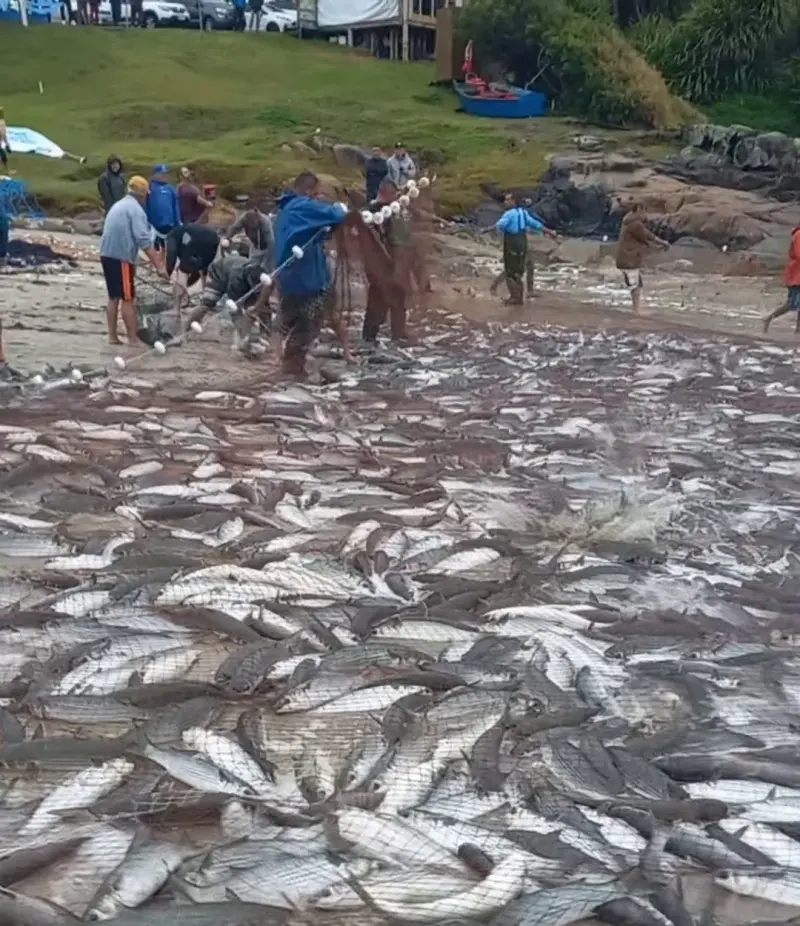
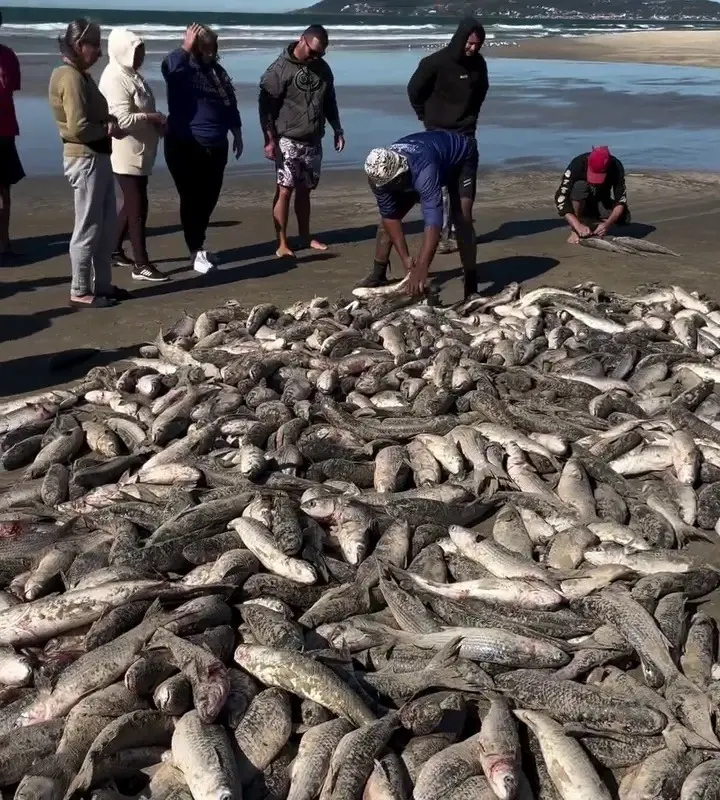
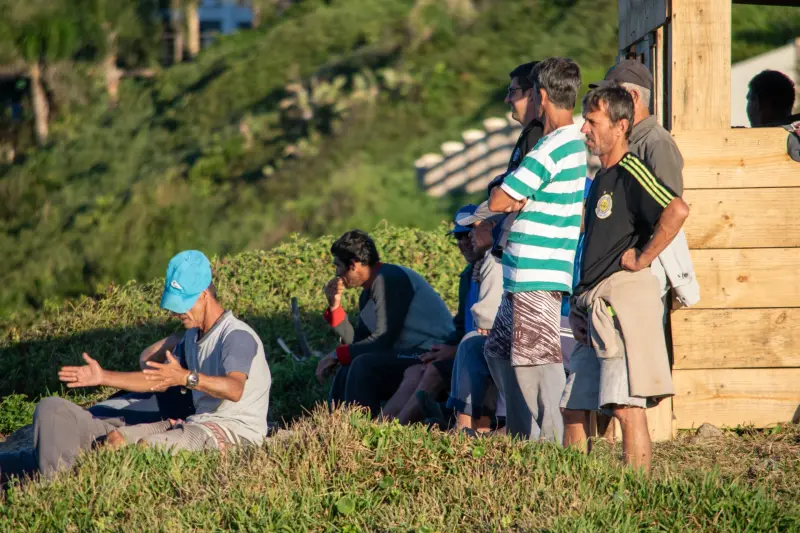
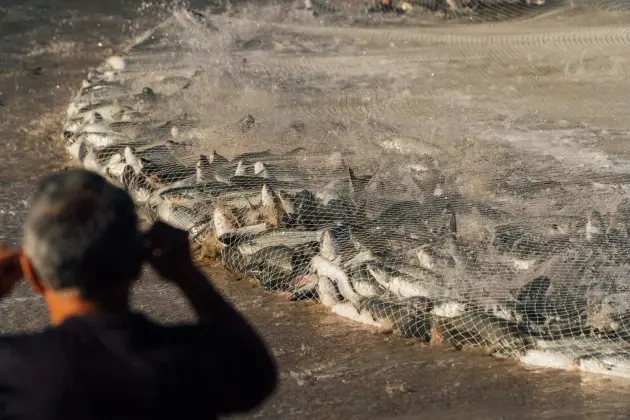
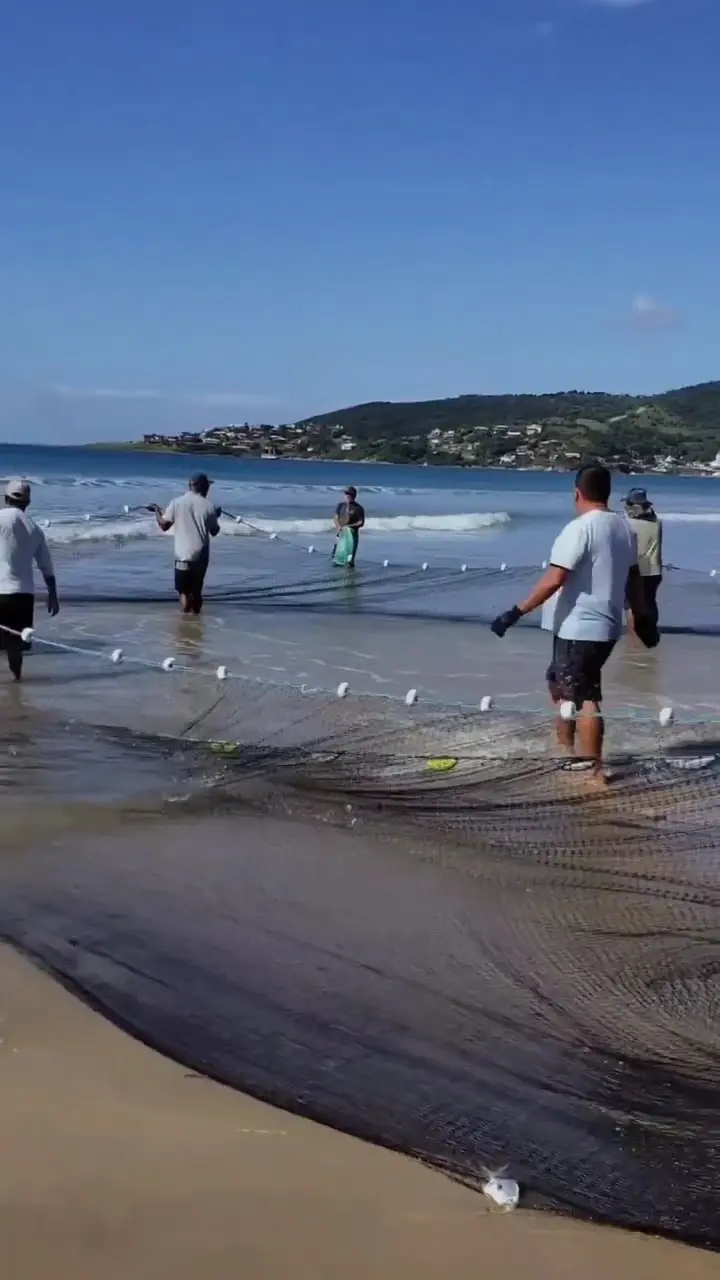
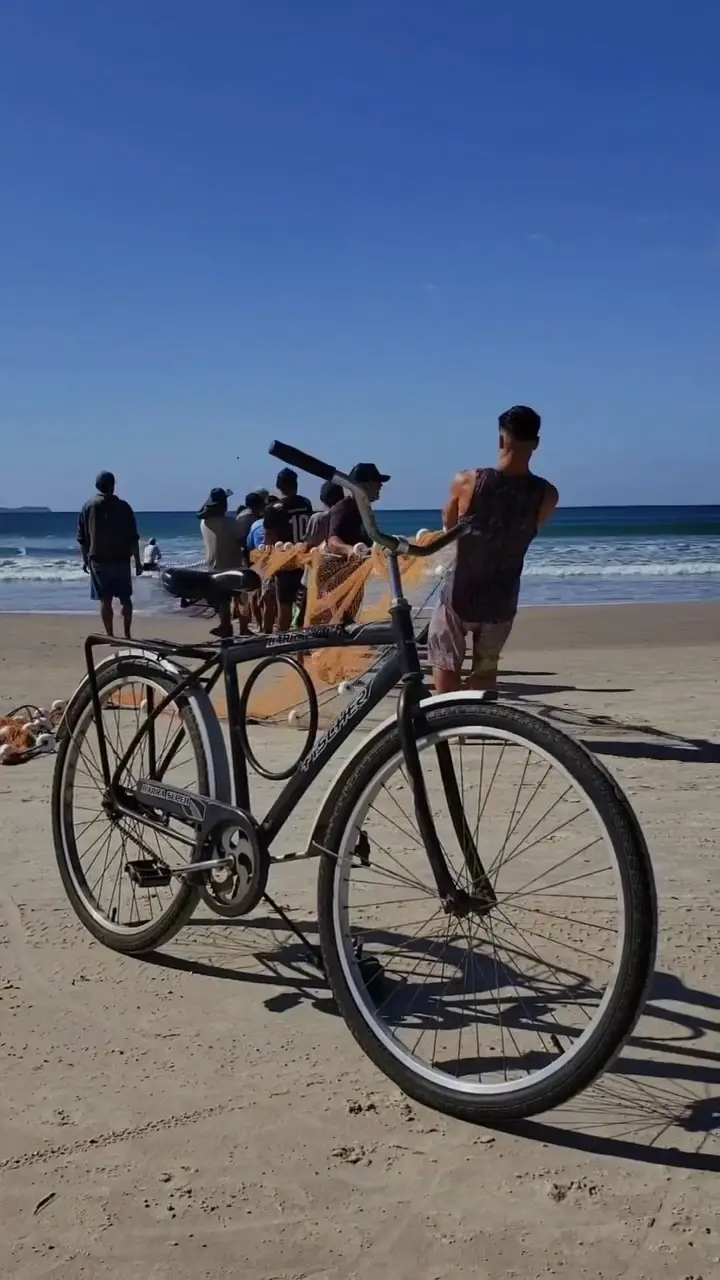
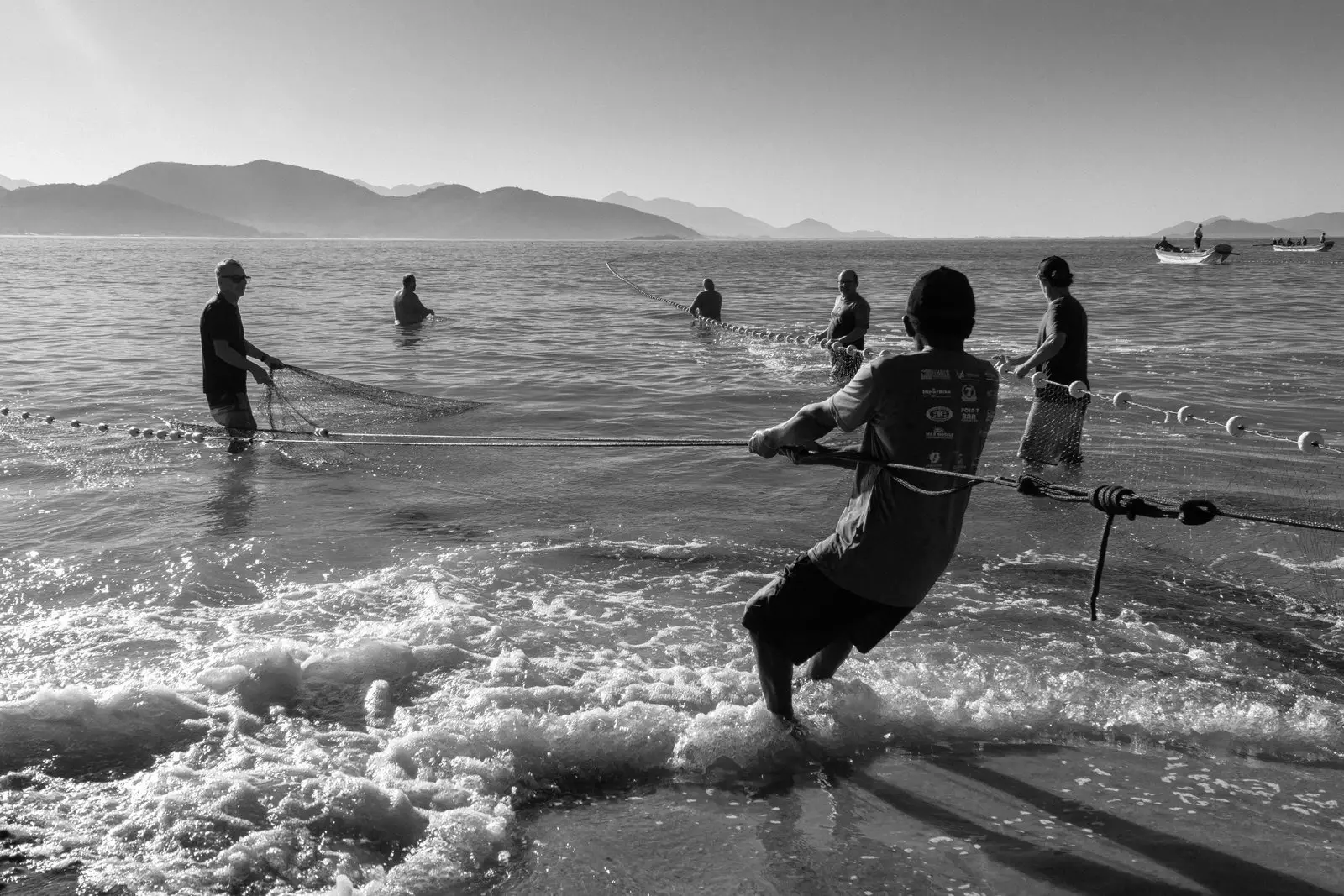
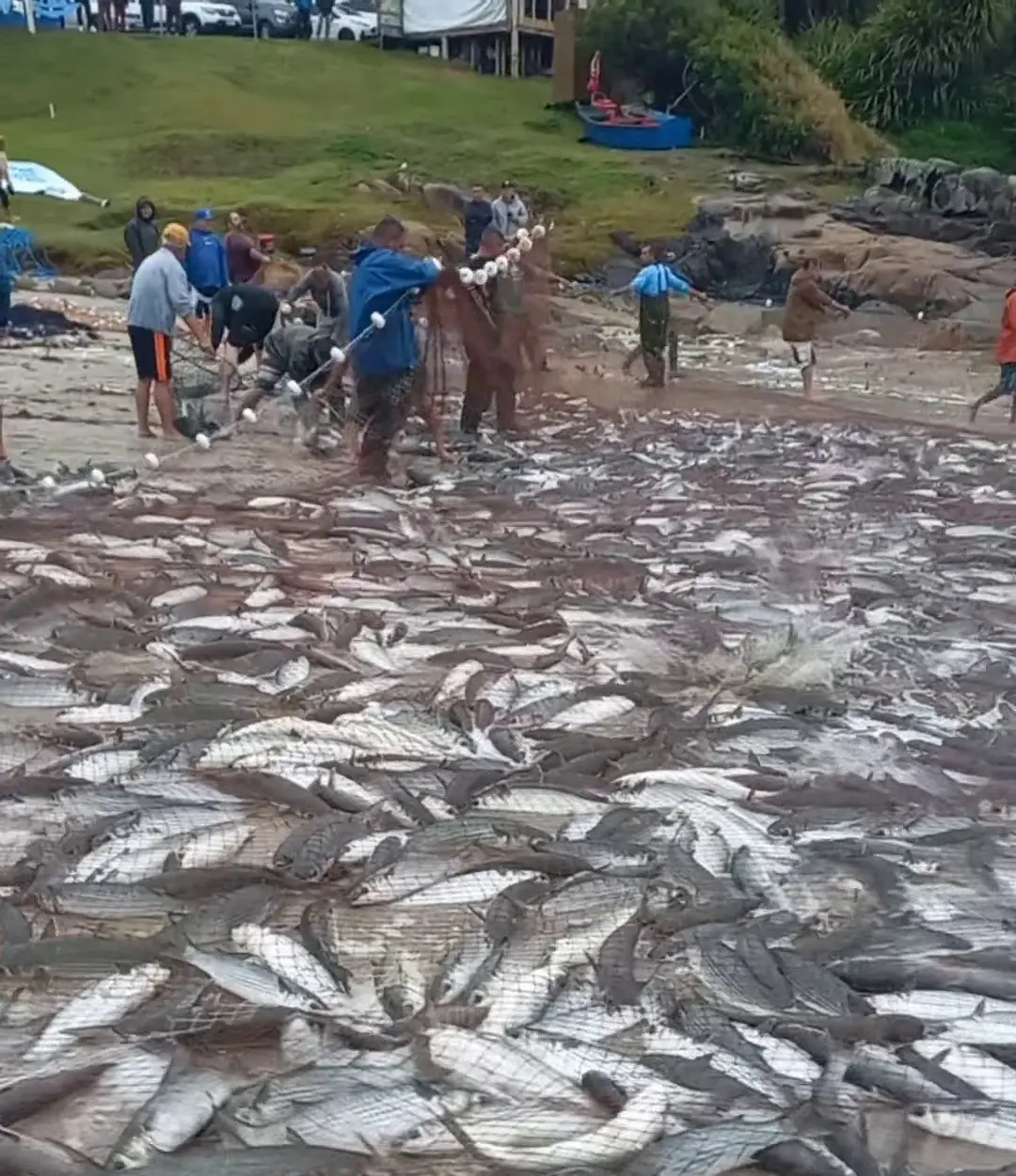
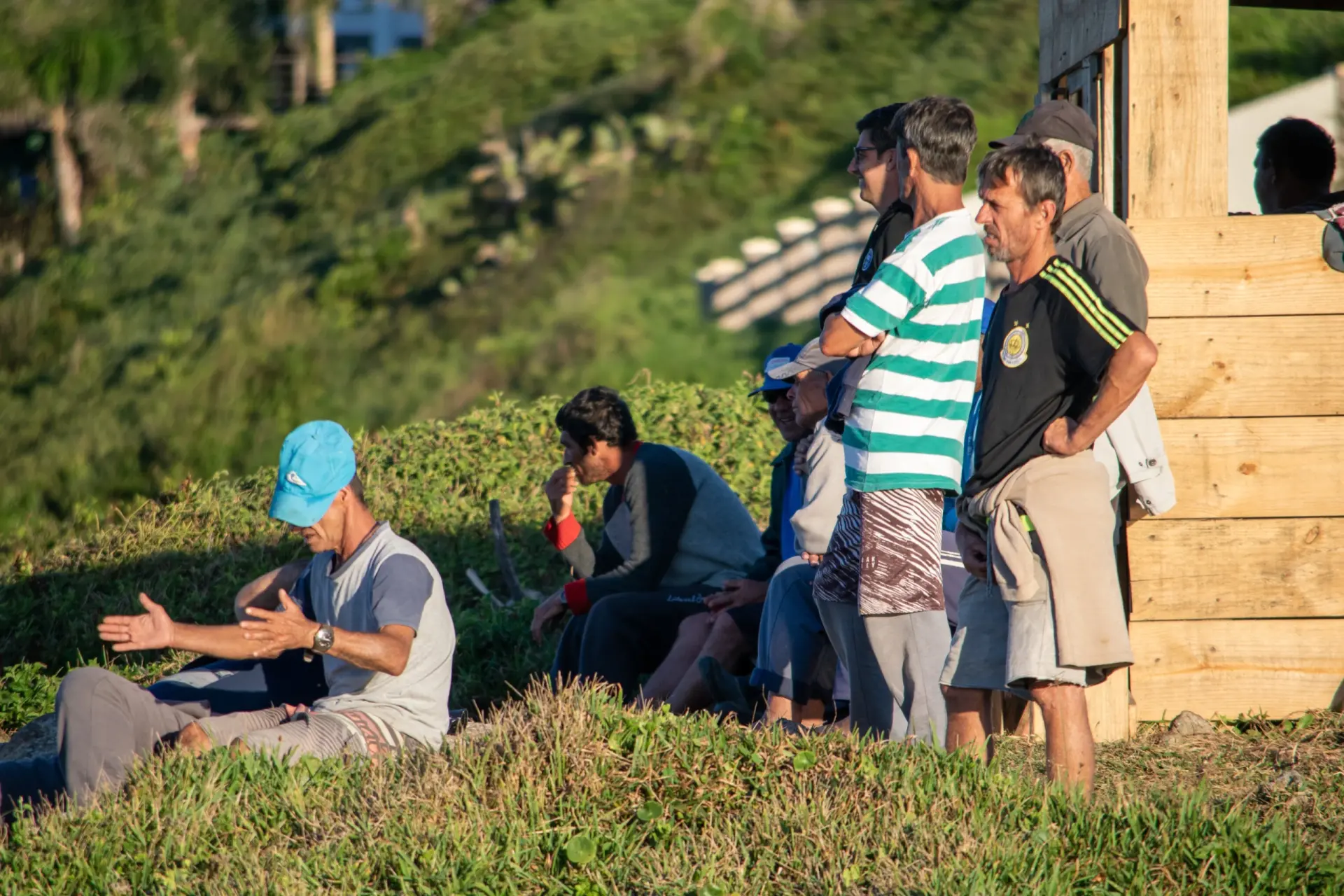
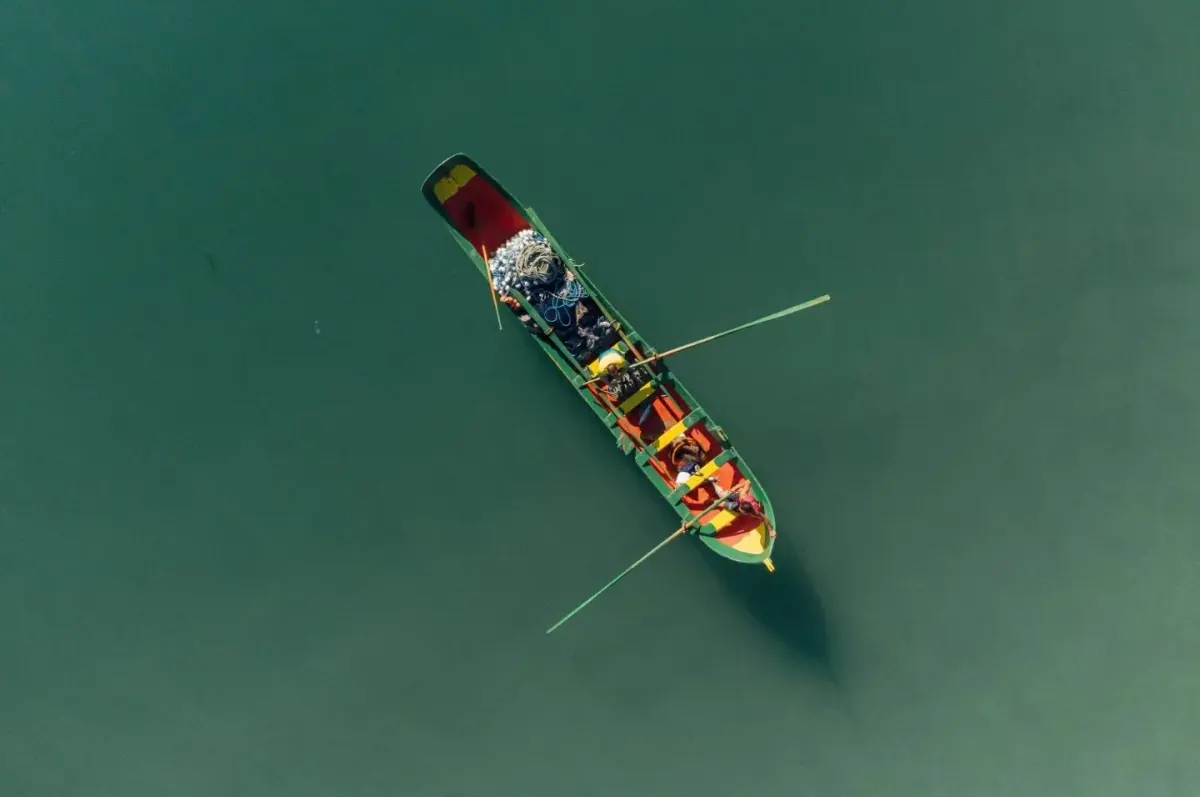
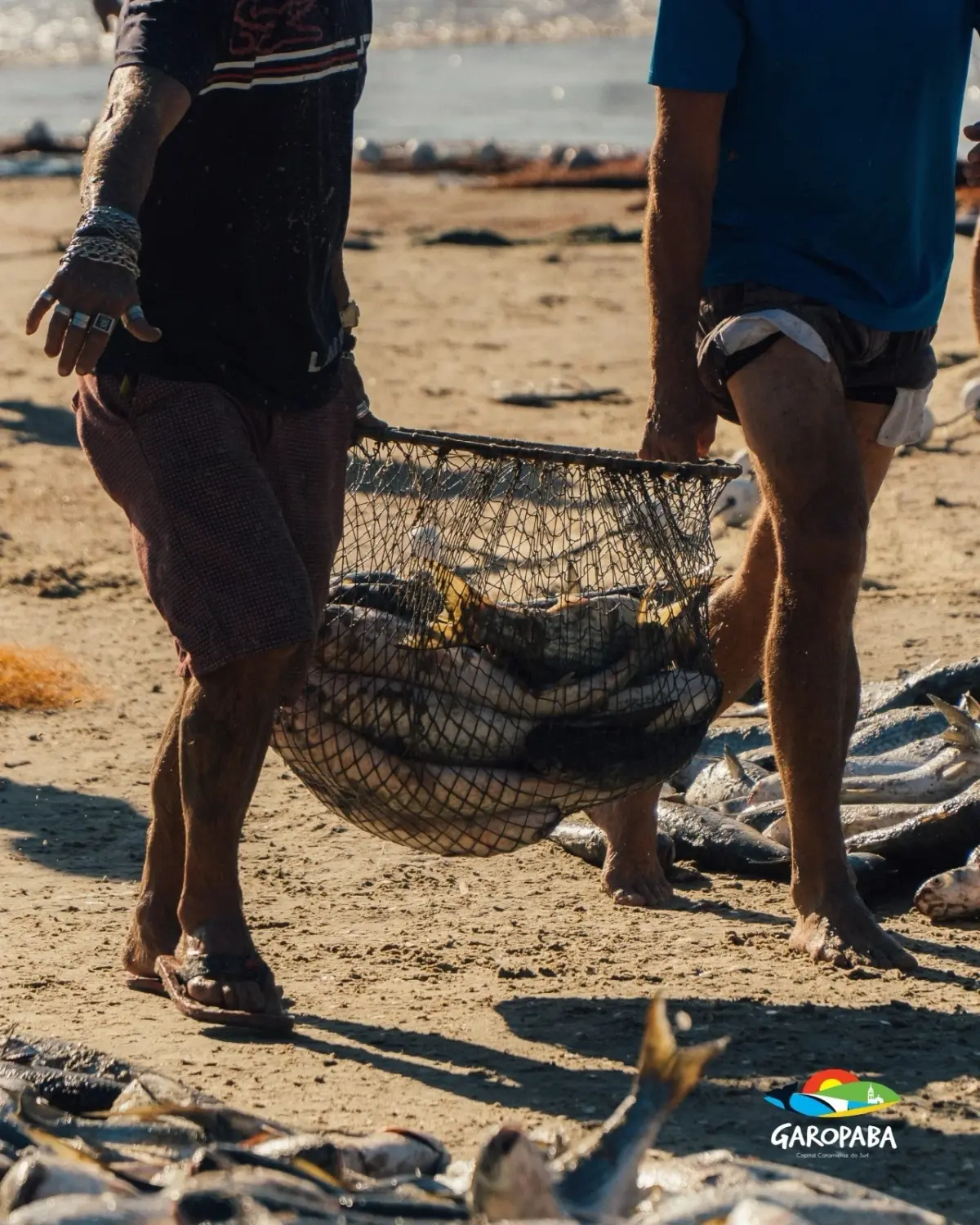
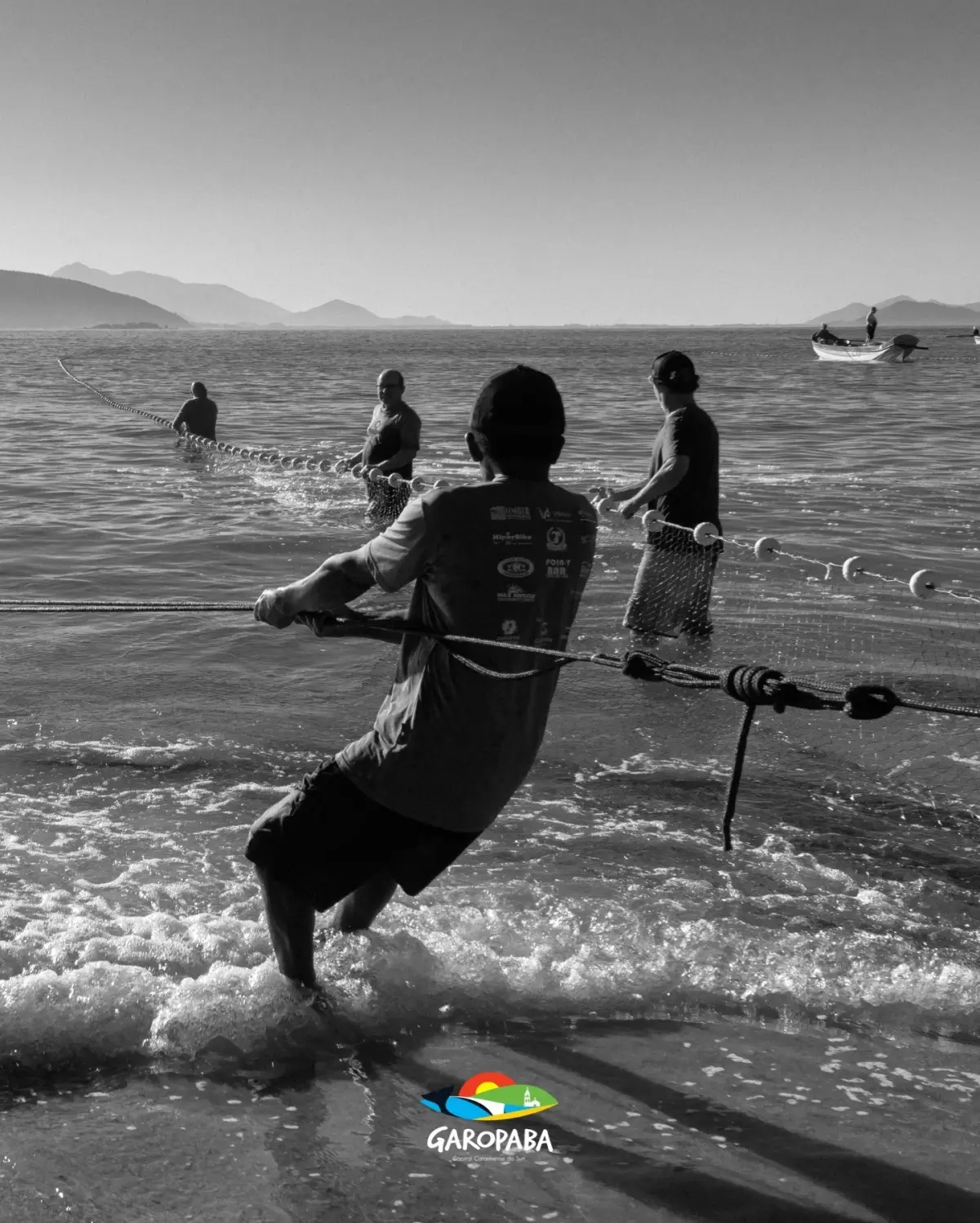
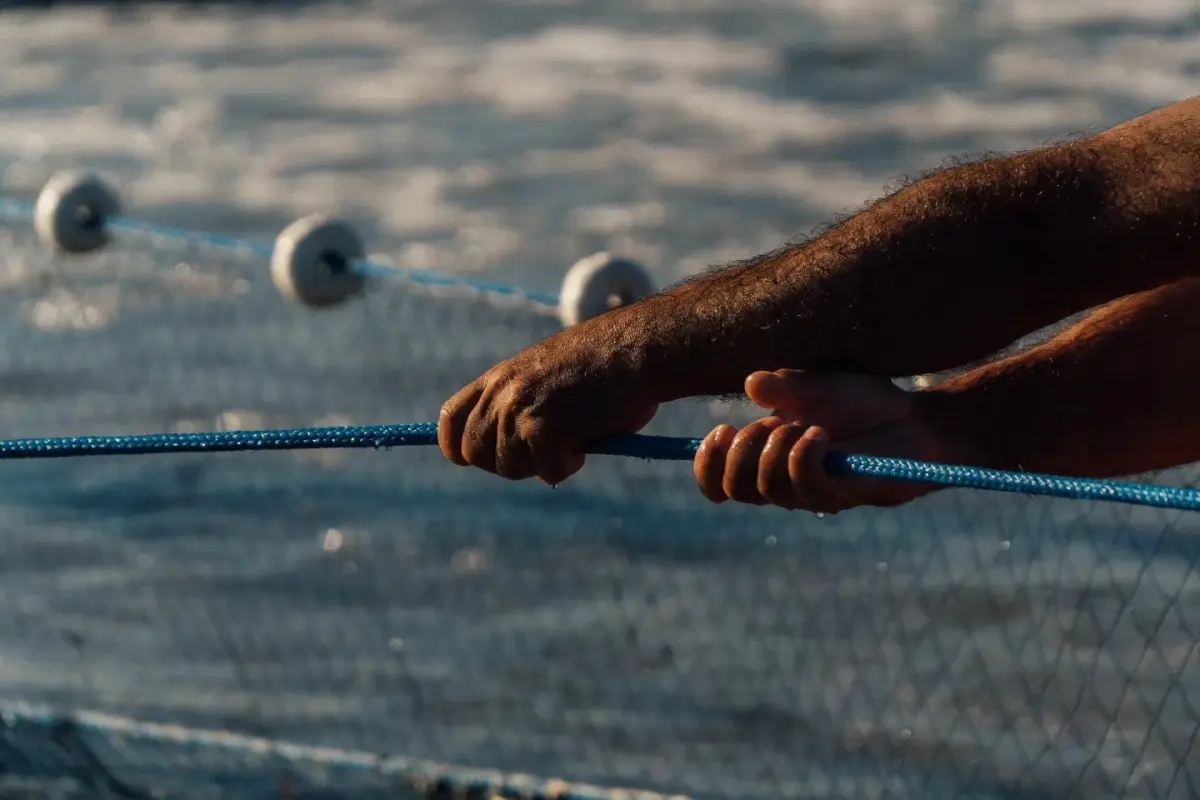
Beach seining works like this: from the top of the rocks or a high spot on the sand, the lookout spends the day watching the sea. When he sees the dark patch of a school, he alerts the others, often by waving a shirt or a flag. A rowing canoe leaves the sand carrying the net and circles the school, while another group holds the other end on the beach; then everyone hauls the net back onto the sand. It is teamwork that takes many people and a lot of strength.
The season opens on May 1 and traditionally runs to the end of July. In recent years the federal government has set a catch quota for beach seining in Santa Catarina: in 2026 it was 1,332 tonnes, and fishing closed on June 7, after 38 days, when the quota was reached. So the length of the season changes from year to year.
What to do
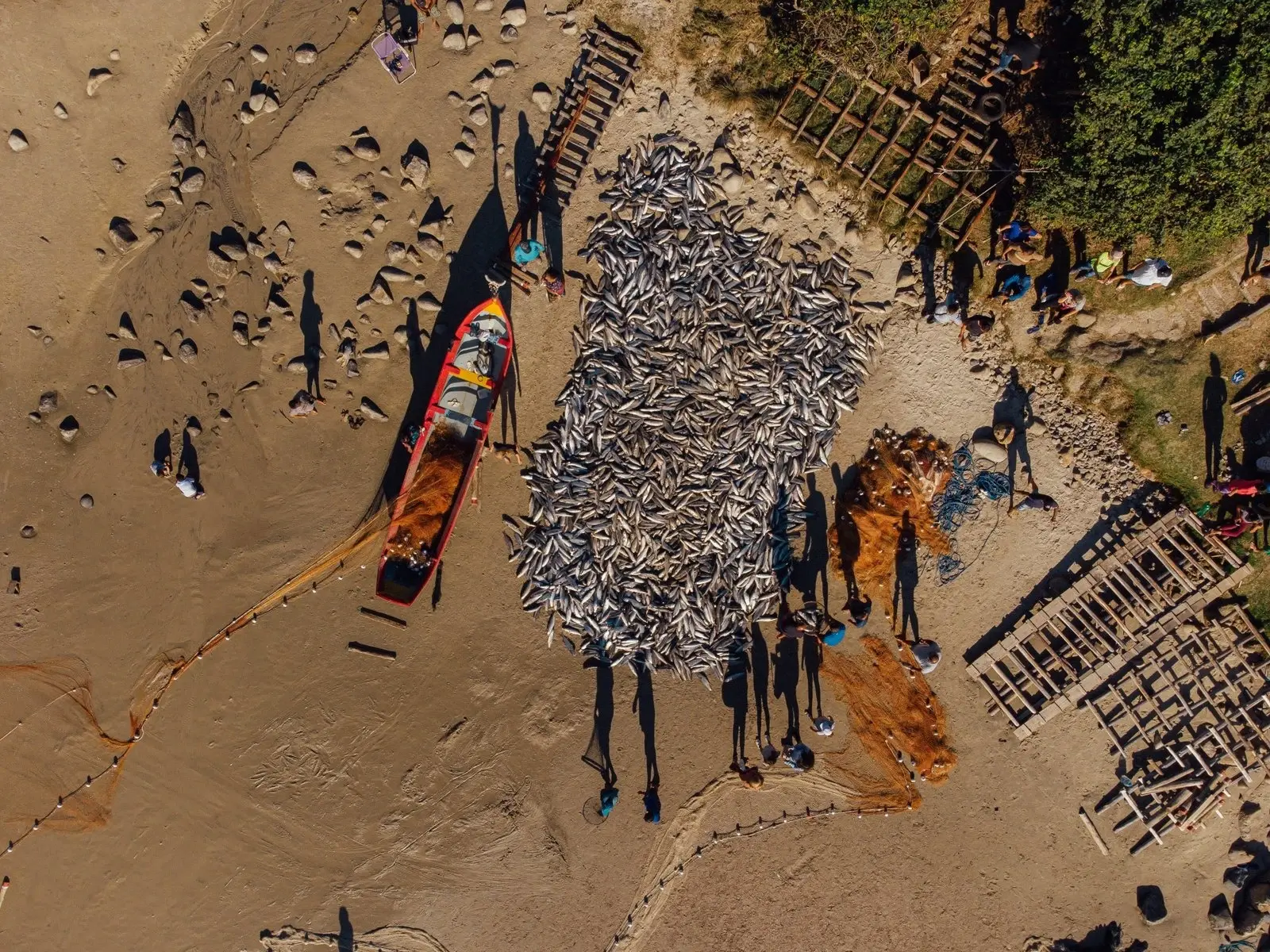
Watch a haul up close: the canoe going out, the encircling and the hauling of the net, with hundreds or thousands of mullet on the sand (in 2026 a single haul at Praia da Vigia encircled about 20,000 fish). Those who help pull the net usually get a fish. You can also visit the fishing shacks at Praia Central and Ouvidor, with the canoes and nets, try mullet at the town's restaurants and go to the Mullet Fishing Festival in the Historic Center.
Points of interest
- Praia da Gamboa: one of the fishing spots, with the Whale Viewpoint as a lookout during the season.
- Whale Viewpoint: also built to spot the schools arriving.
- Praia do Siriú: hauls on Siriú's wide sand.
- Praia de Garopaba: the central beach, with the shacks and canoes.
- Fishing shacks: the wooden shacks where the canoes and nets are kept.
- Vigia Beach: near the hill from which lookouts signaled the fishermen.
- Praia do Silveira: another fishing spot, at the north end.
- Praia do Ouvidor: with a shack and fishing canoes.
Tips
The best places to watch are beaches with fishing shacks and spots, such as Gamboa, Siriú, Praia Central and Vigia, Silveira and Ouvidor; in Gamboa, the Whale Viewpoint becomes a lookout post during the season. When a school shows up, everything happens within minutes: keep an eye on the fishermen.
During the season, fishermen ask surfers and swimmers to stay out of the water near the fishing spots when a school is around; follow their guidance and the flags, where there are any. Do not cross the net or stand in the way of the haul, and ask before taking close-up photos.
Dates and programs may change: check with the organizers before going.
Source: Guia Garopaba (edição impressa).