Praia da Gamboa
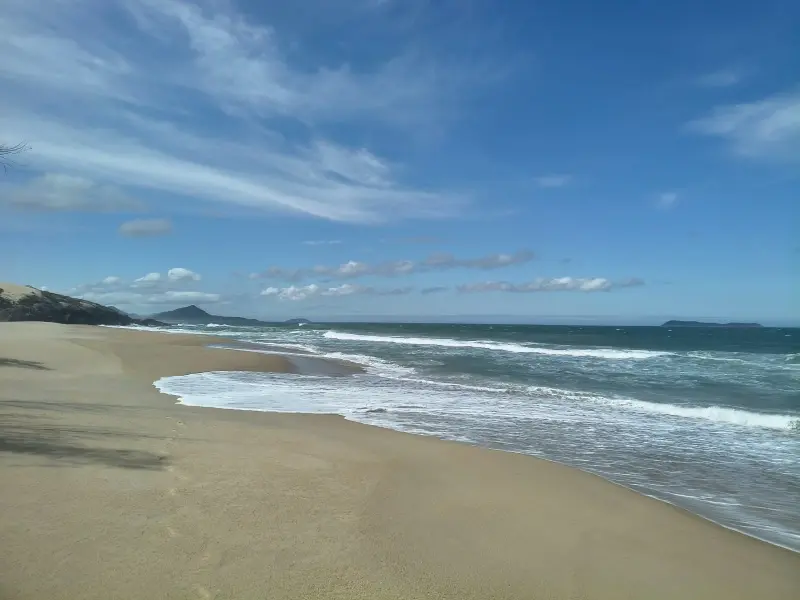
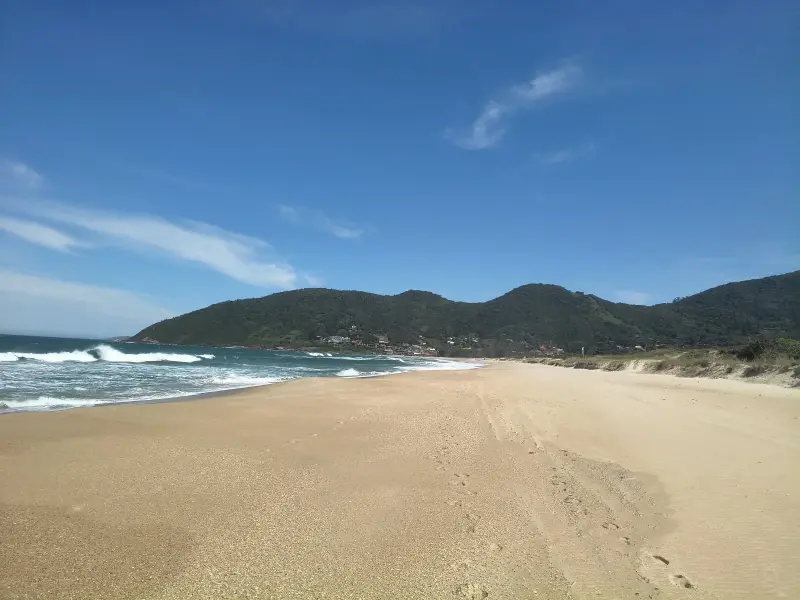
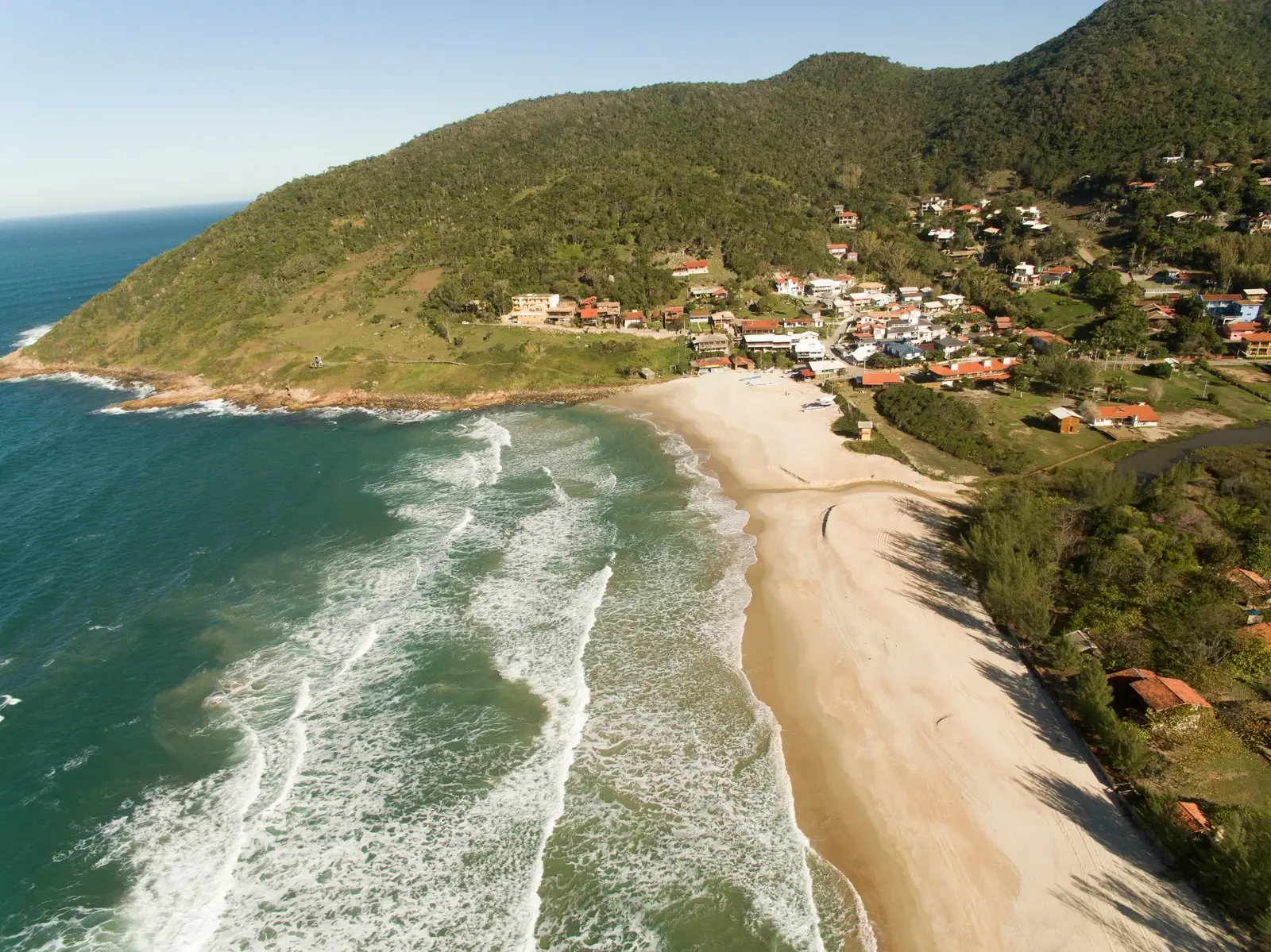
About 1.5 km of light sand between green hills, with the feel of a fishing village.
From the Residencial: About 550 m, 7 min walk
-

-
-

-

-
-

-
-
-
-
-



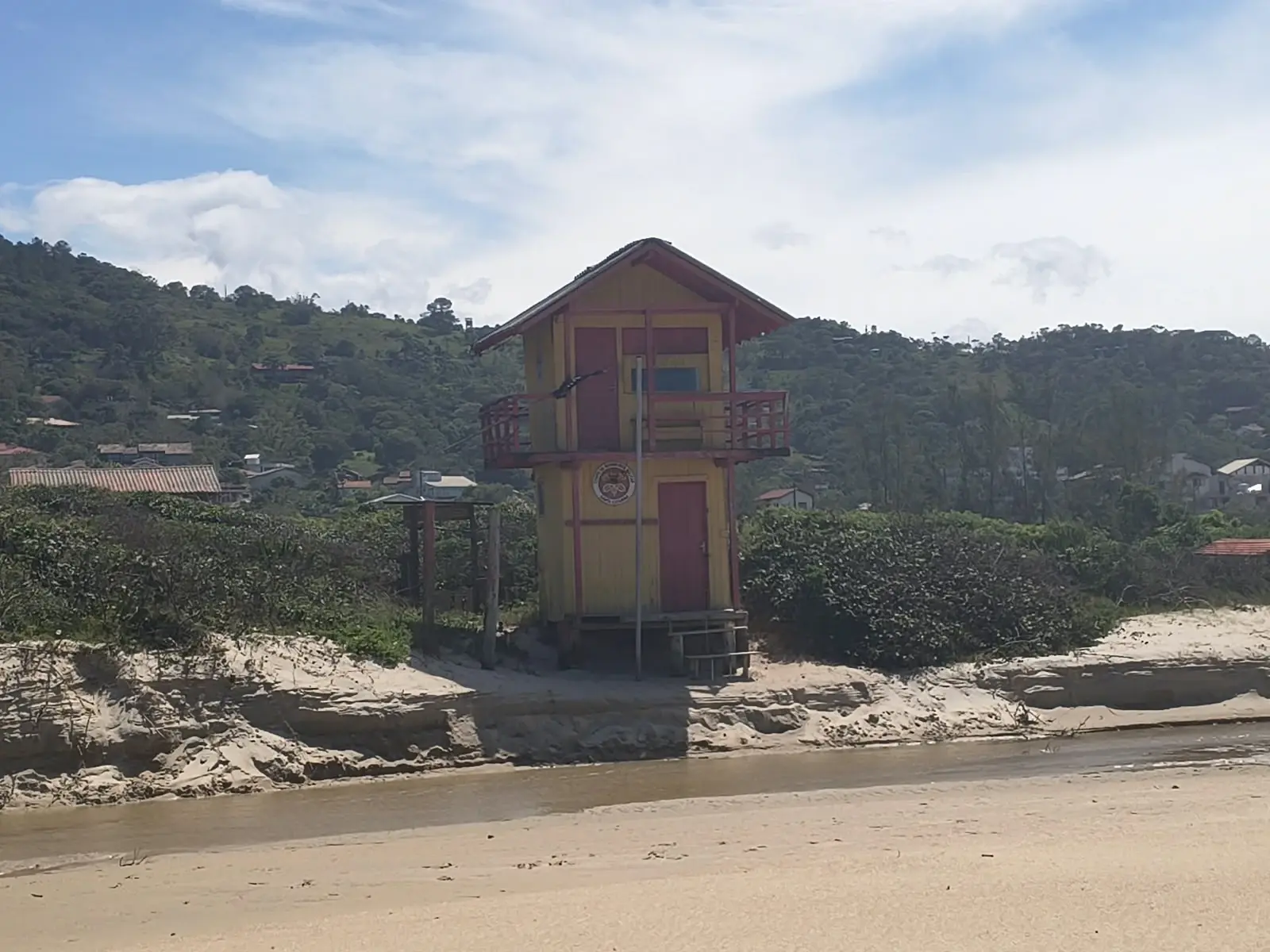
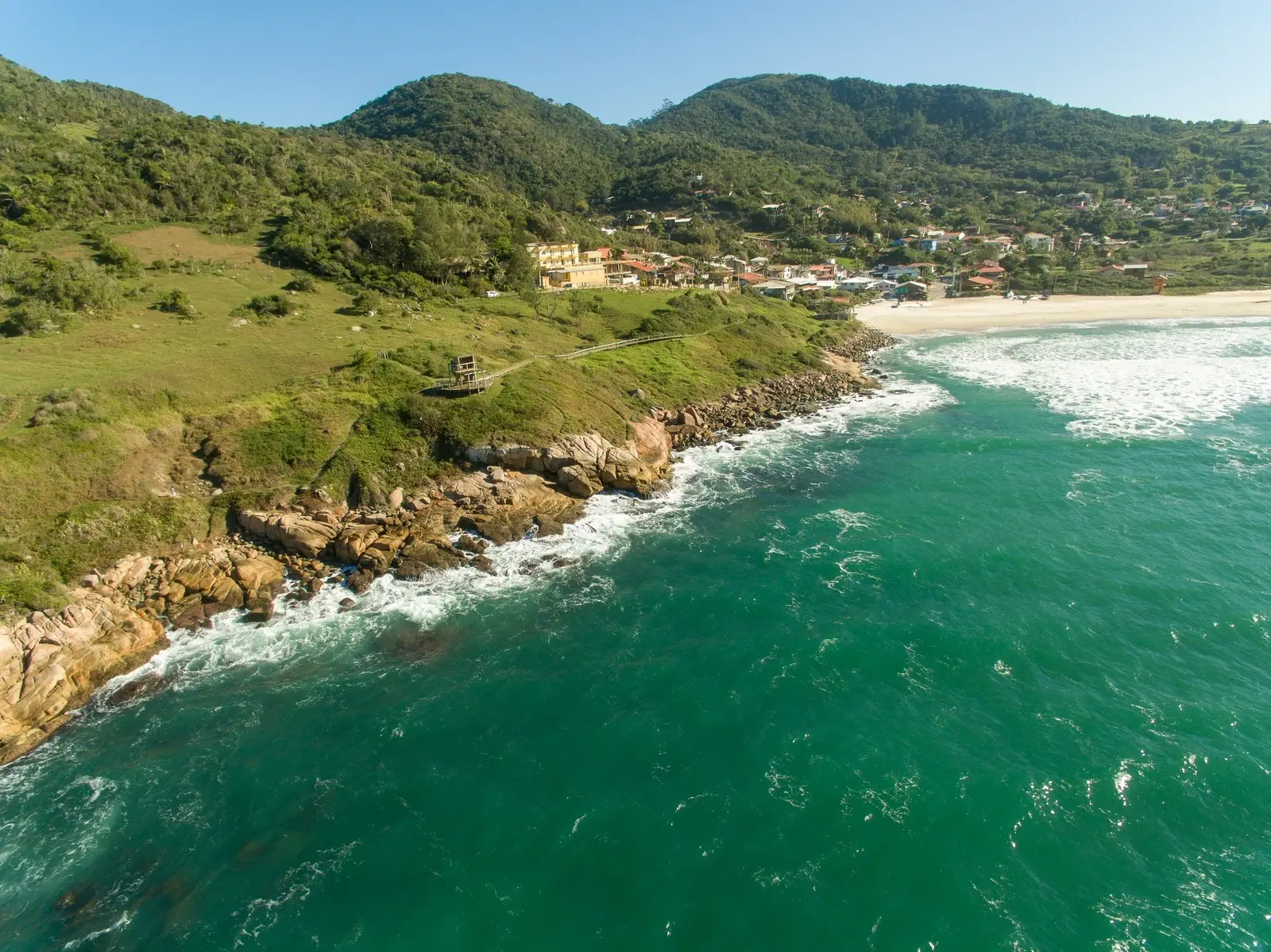
Photos: PREFEITURA DE GAROPABA (opens in a new tab); Residencial Costão da Gamboa; Garopaba Por Aí (@garopabaporai_tv) (opens in a new tab).
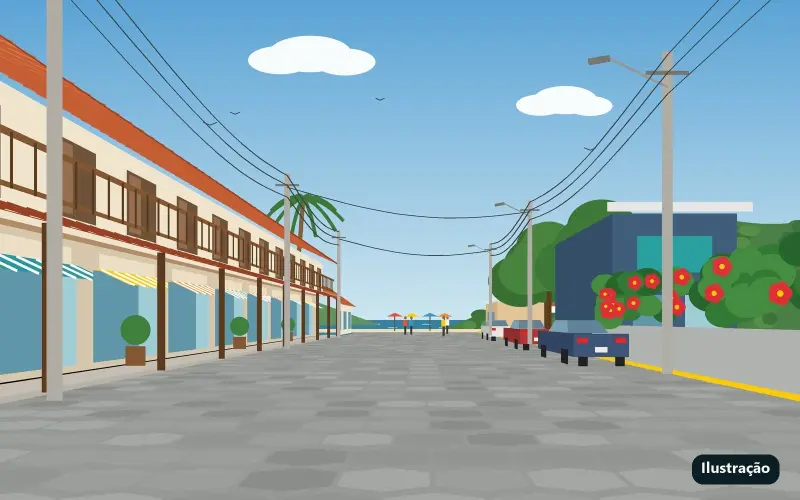
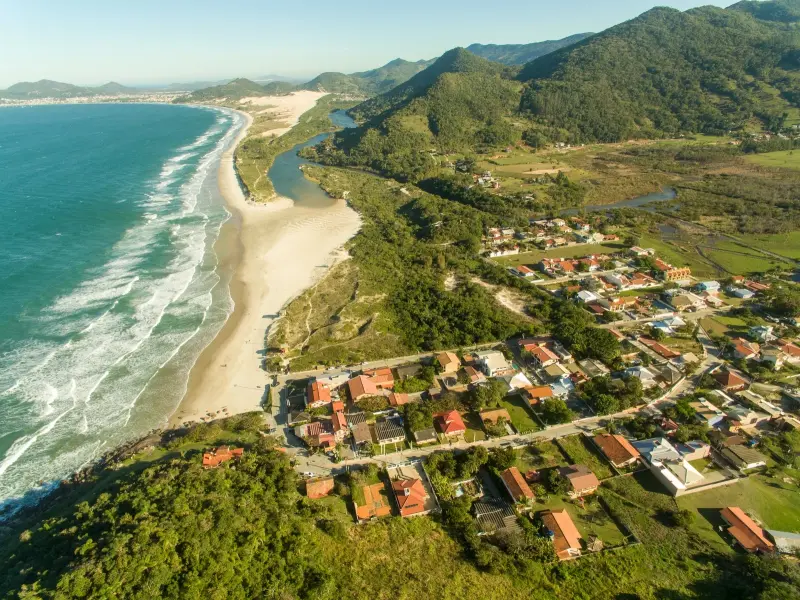
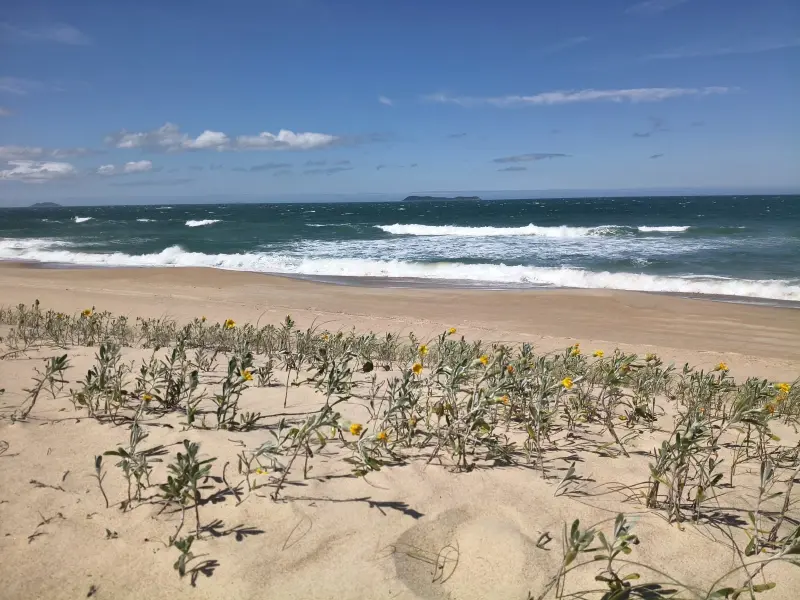
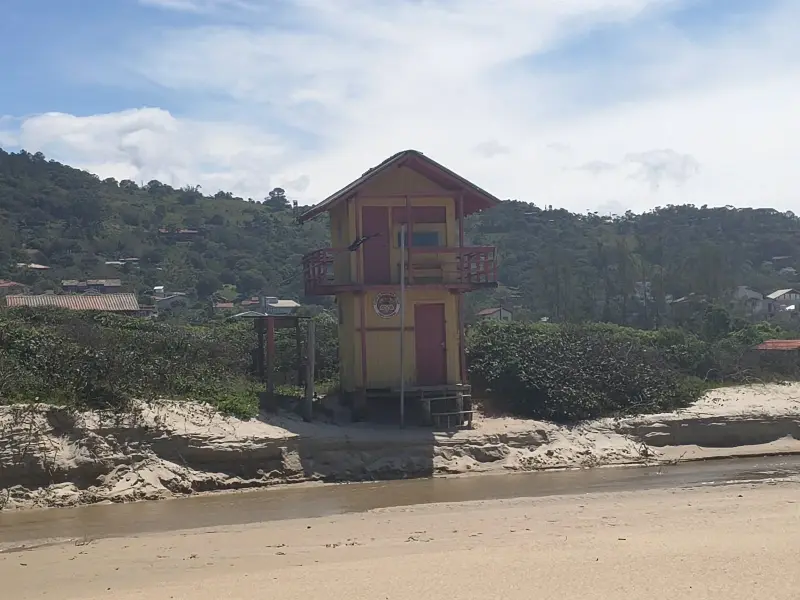
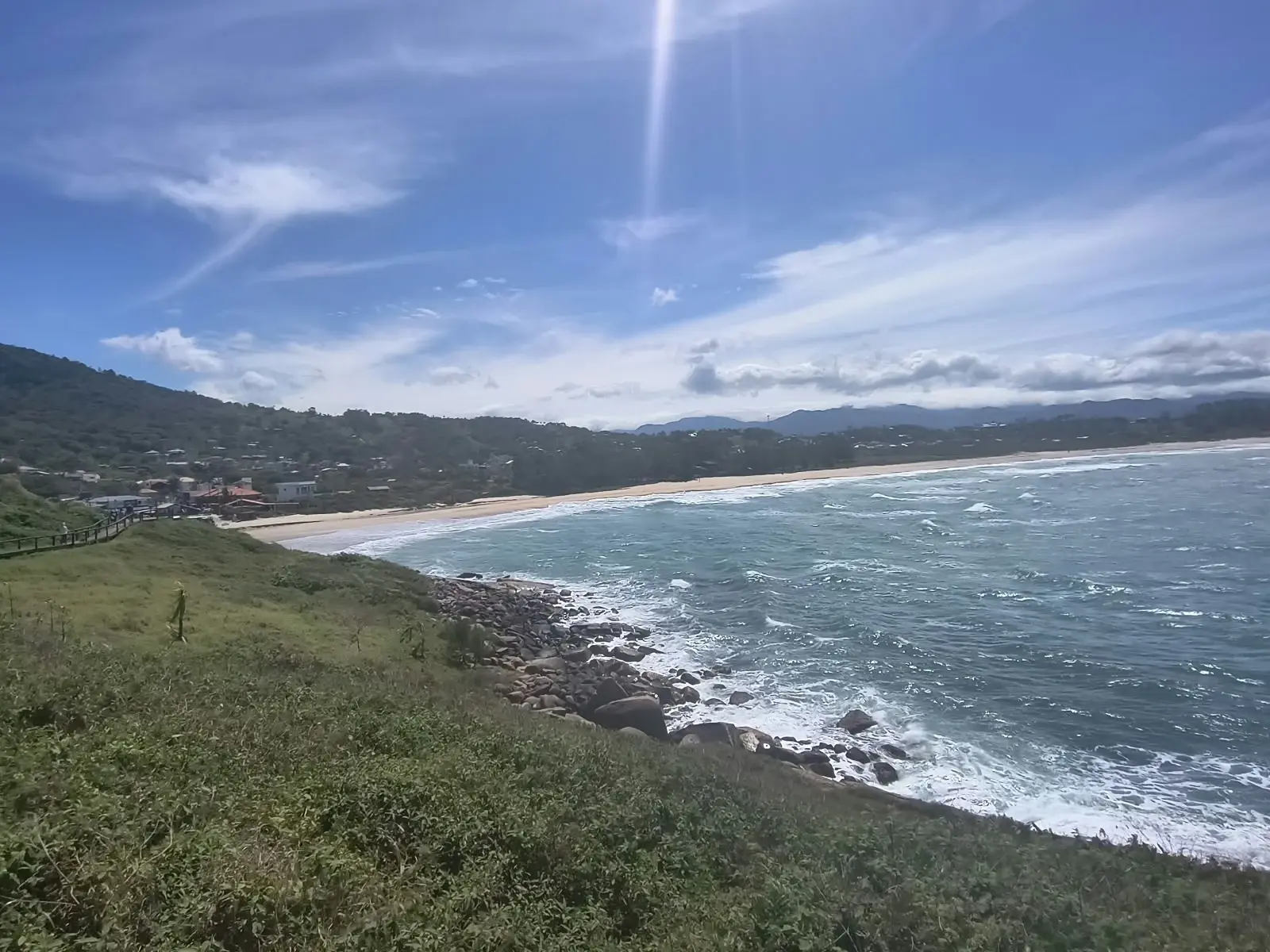
Praia da Gamboa has about 1.5 km of light sand, surrounded by green hills, about 15 km by car from downtown Garopaba. Life moves at the pace of a small fishing village: few facilities, a few good restaurants and plenty of calm.
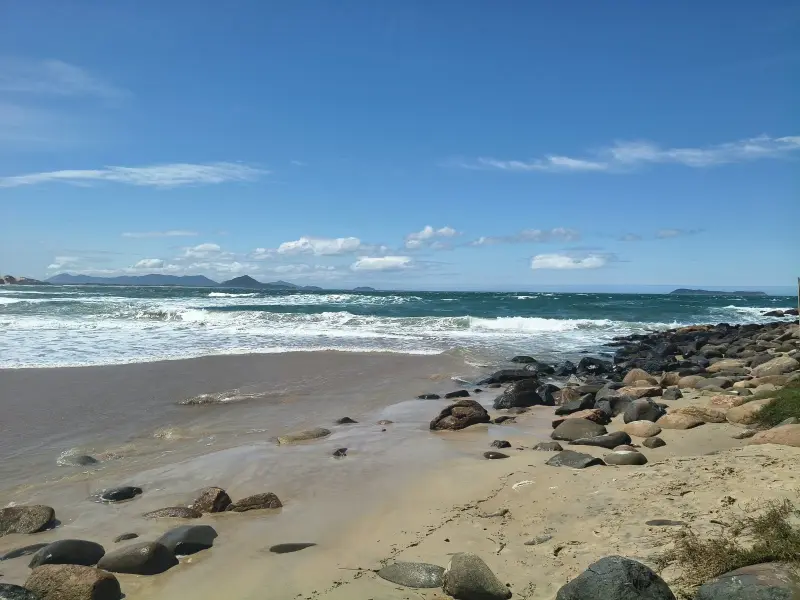
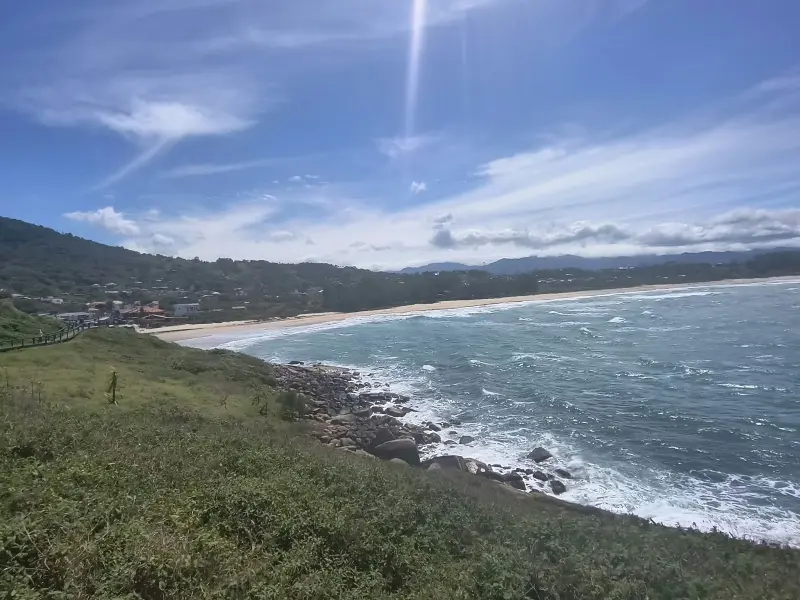
At the north end is Pedra da Faísca, a formation of dark rocks; beyond it begins Praia da Faísca, which runs deserted for about 6.5 km to Guarda do Embaú. At the south end, the community-built Mirante da Baleia overlooks the sea and the mouth of the Caximba river. The beach is part of coastal environmental protection areas.
The most visited spots
- Village center: the middle of the beach, with the fishing village, the restaurants and the car access.
- South end and Whale Viewpoint: the headland where the Caximba River meets the sea, with the community-built lookout for whales and the mullet watch. The trail to Siriú starts here.
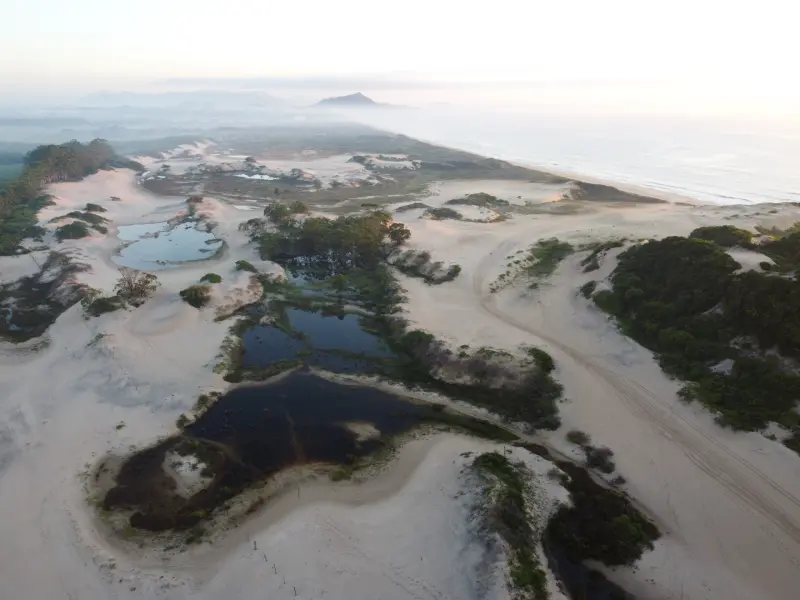
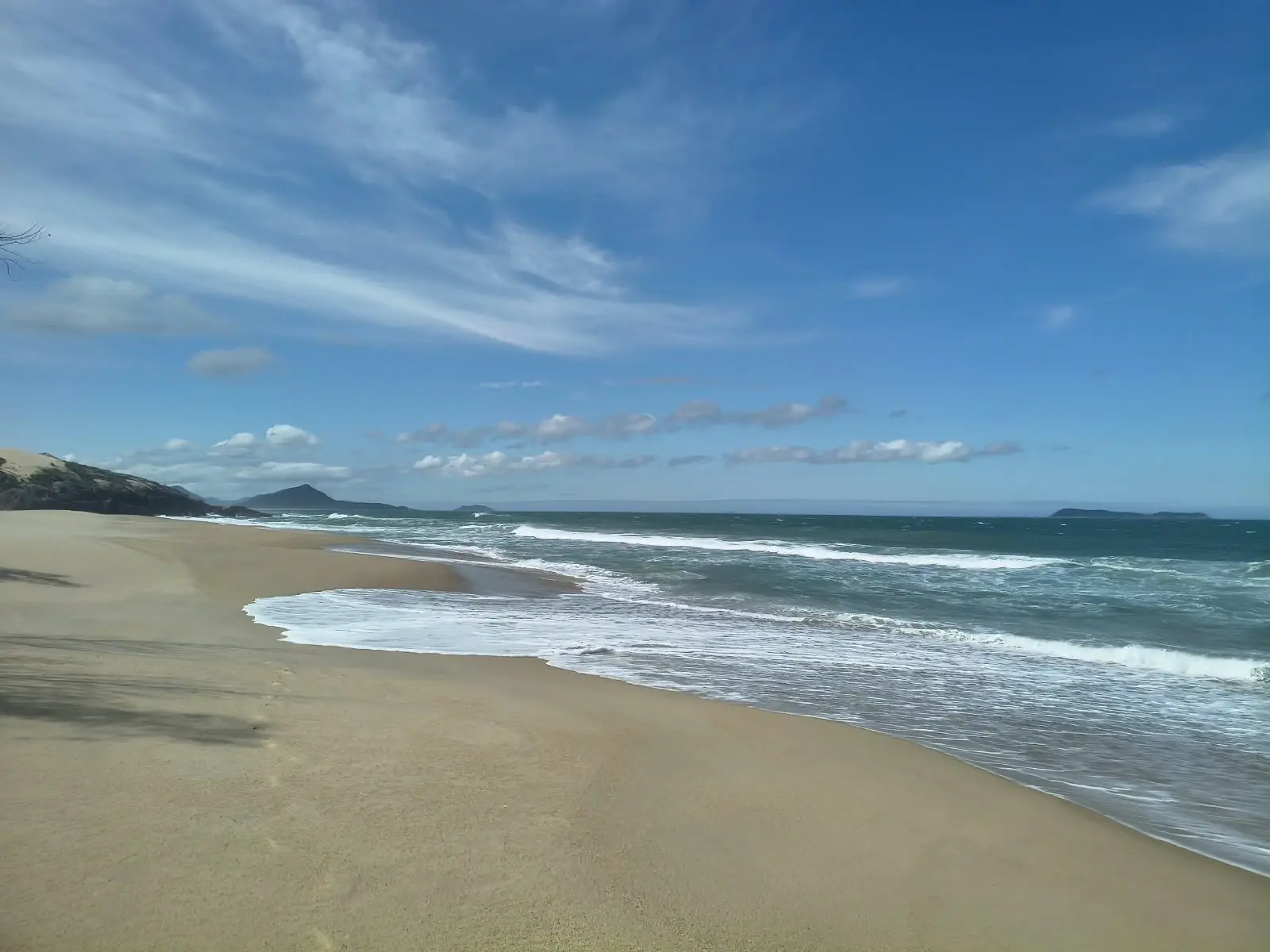
- North end and Pedra da Faísca: the dark rock on the border with Paulo Lopes; behind it are the Faísca Dunes and the start of Praia da Faísca, which runs to Guarda do Embaú.
Getting there
From downtown Garopaba it is about 15 km by car: take Rodovia Jovino Piucco (GRP-010) toward Siriú and follow the Gamboa streets to the beach. Coming along the BR-101, you can also turn off at Paulo Lopes. Free, open access.
Features
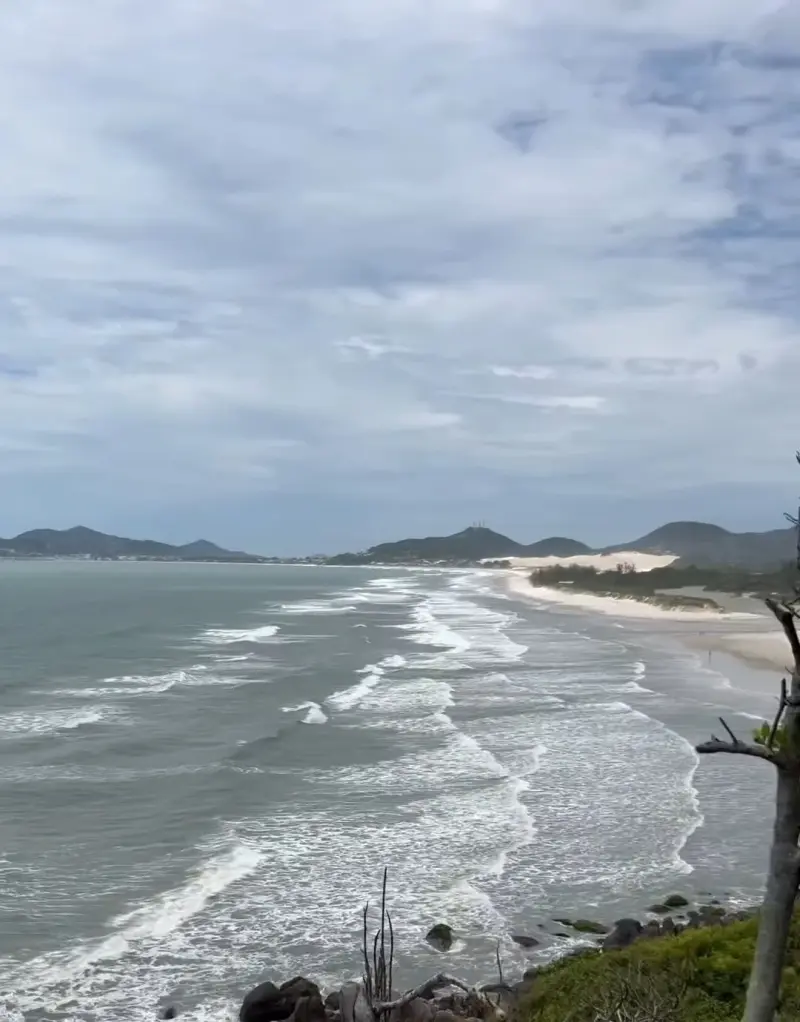
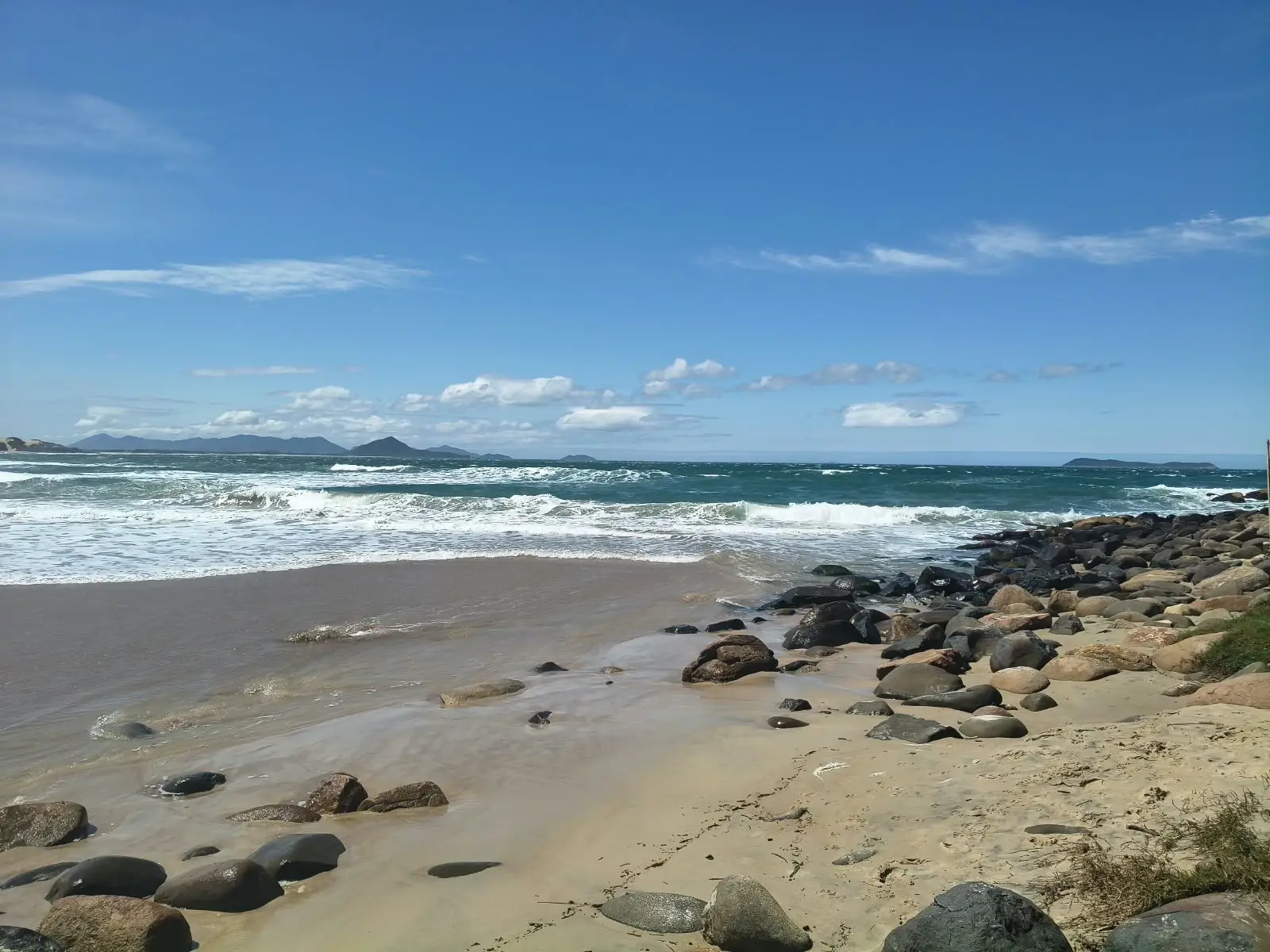
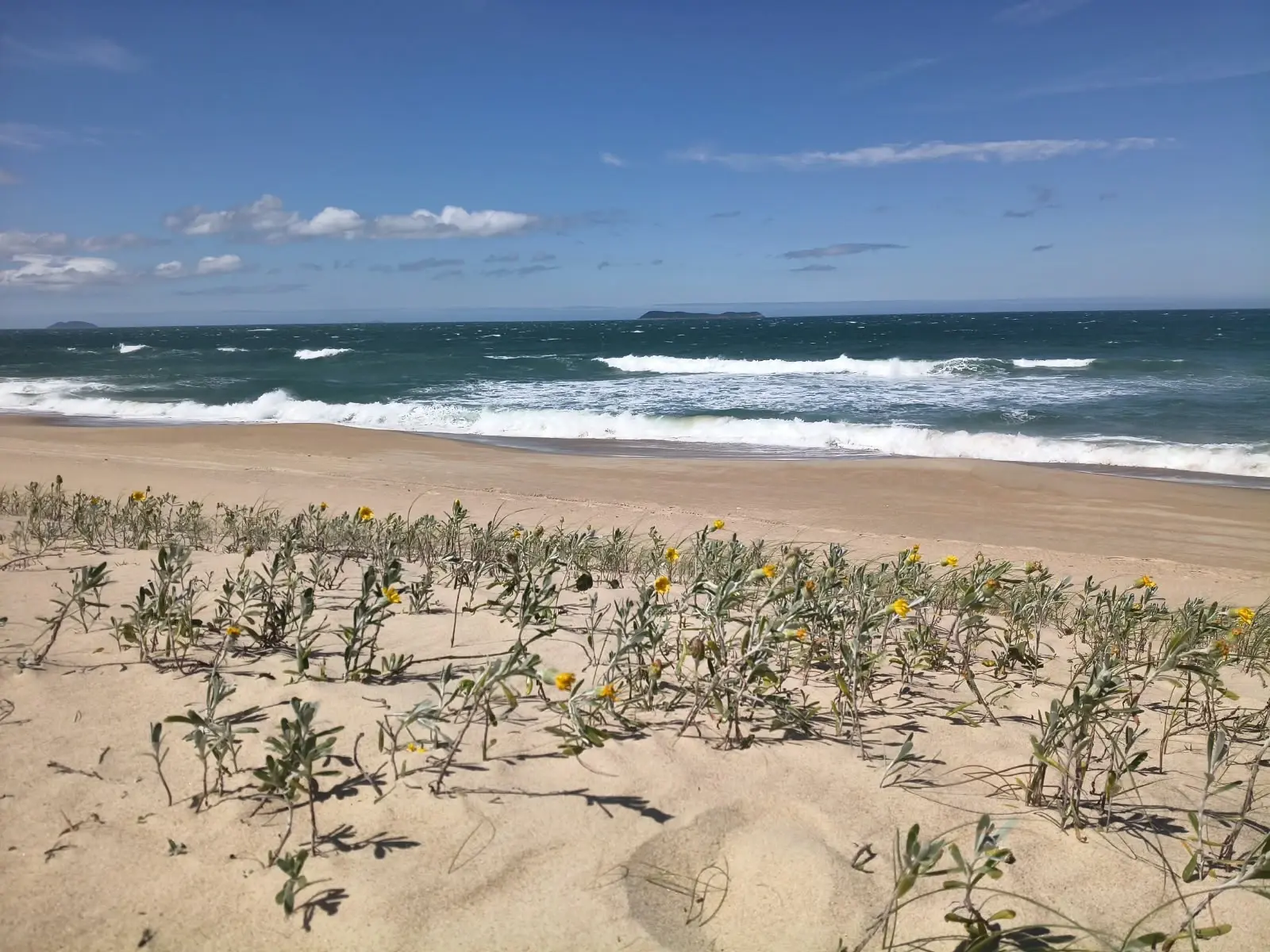
About 1.5 km of light sand between green hills, with a slightly rough sea and good waves on east and south swells. At the south end, the Caximba River meets the sea and you find the Whale Viewpoint; at the north end, Pedra da Faísca, a dark rock formation (diabase), marks the border with Paulo Lopes. The beach is part of the Coastal Surroundings State Protected Area and the Right Whale Federal Protected Area, and the village keeps a fishing-village pace, with a few good restaurants.
Things to do
Walk along the sand, surf year-round and climb to the Whale Viewpoint at the south end. To the north, past Pedra da Faísca, you can visit the Faísca Dunes and continue along Praia da Faísca to Guarda do Embaú; to the south, the headland trail leads to Siriú Beach. On the horizon straight ahead is Ilha do Coral, with its lighthouse.
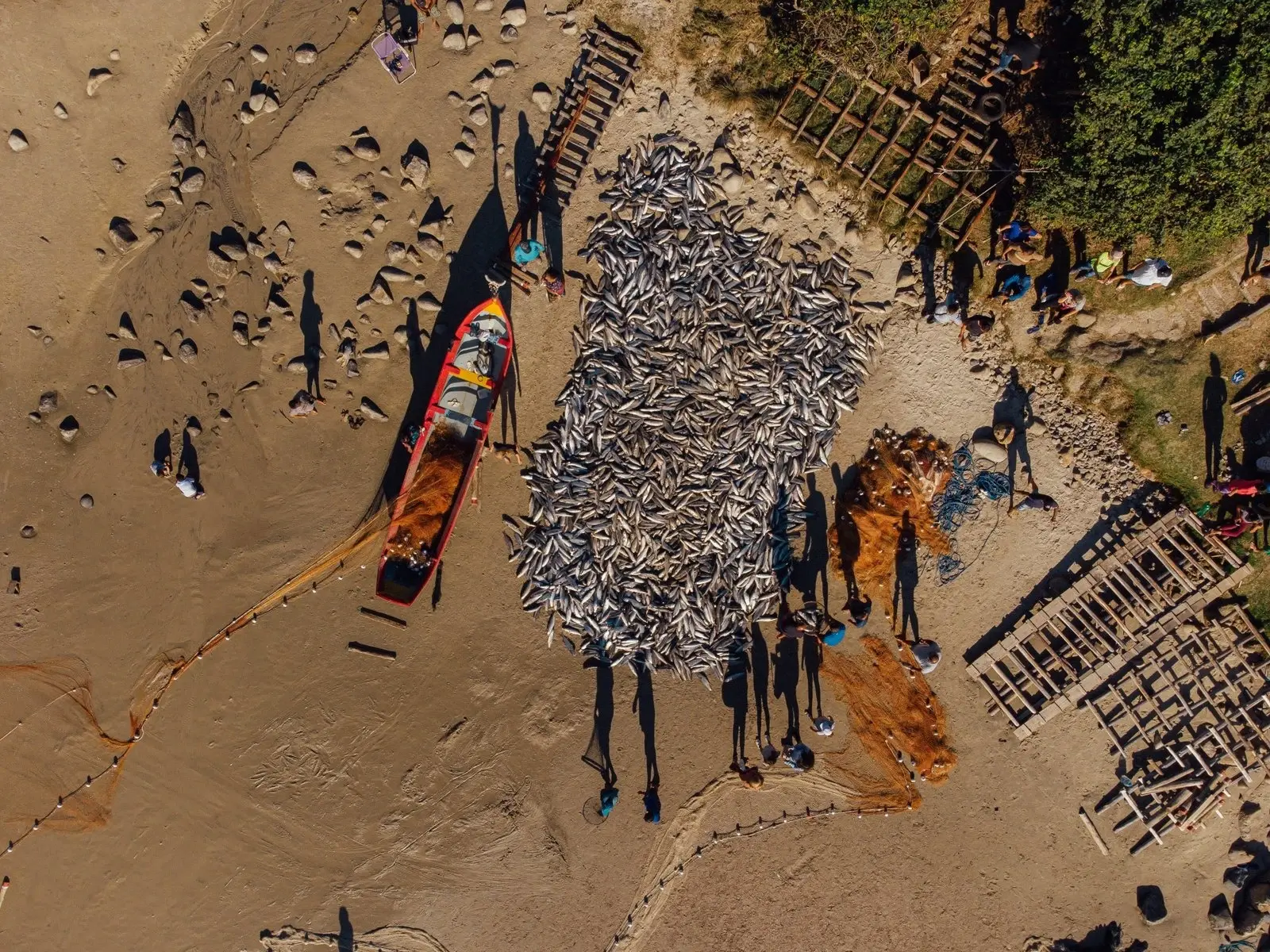
July to November is right whale season: Gamboa bay is one of the species' nurseries, and the Whale Viewpoint is a good spot to watch them from land. From May to July you can watch the artisanal mullet fishing.
Safety tips
The sea is usually a bit rough: be careful in the water, especially with children. During the mullet fishing season, give the fishermen room on the sand.
Source: Site oficial de turismo de Garopaba (opens in a new tab). Information checked on 10/01/2026.