Season
Right whale season
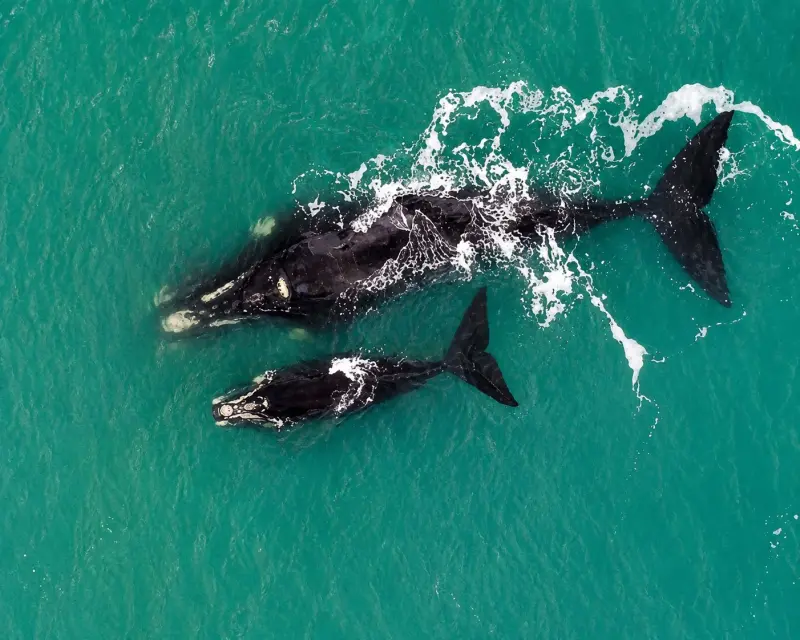
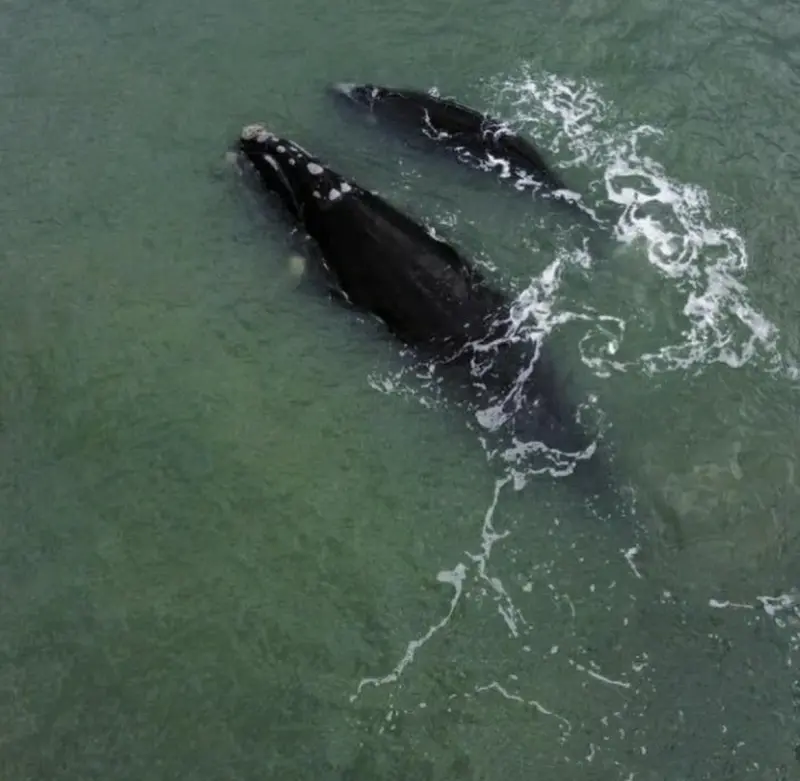
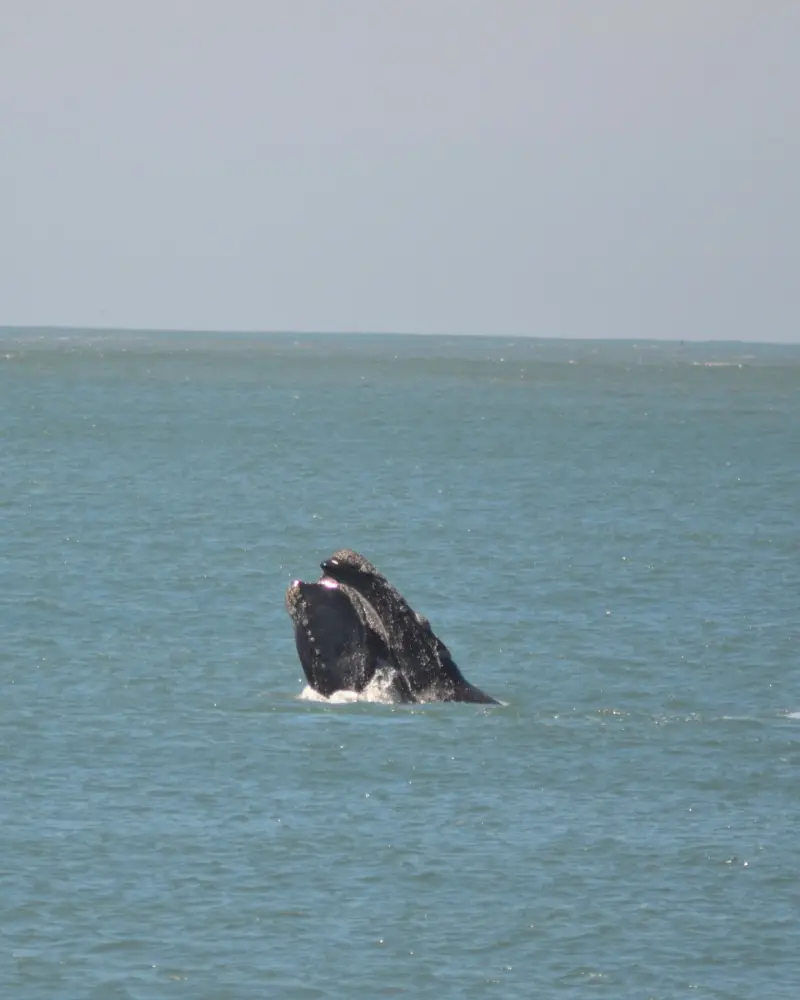
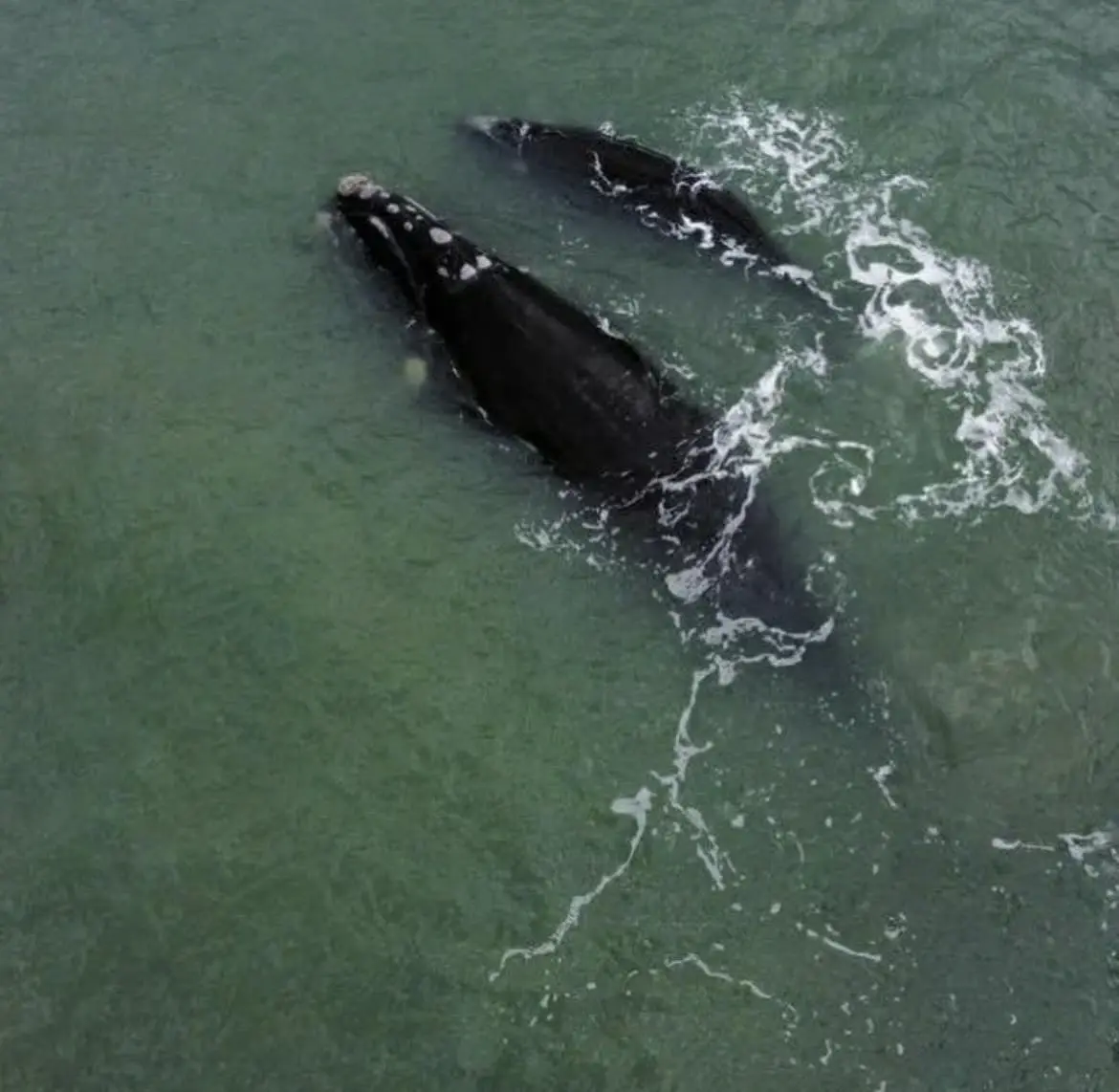
From July to November, and in recent years as early as May and June, southern right whales come close to shore to give birth and nurse their calves. Gamboa bay is one of their nurseries: in a 2009 study, whales were present on 27 of 33 observation days.
- When
- From July to November
- Where
- Viewpoints and headlands, such as the Whale Viewpoint at Praia da Gamboa
Approximate period: it depends on nature, no exact date.
-
-
-
-
-
-
-

-
-
-
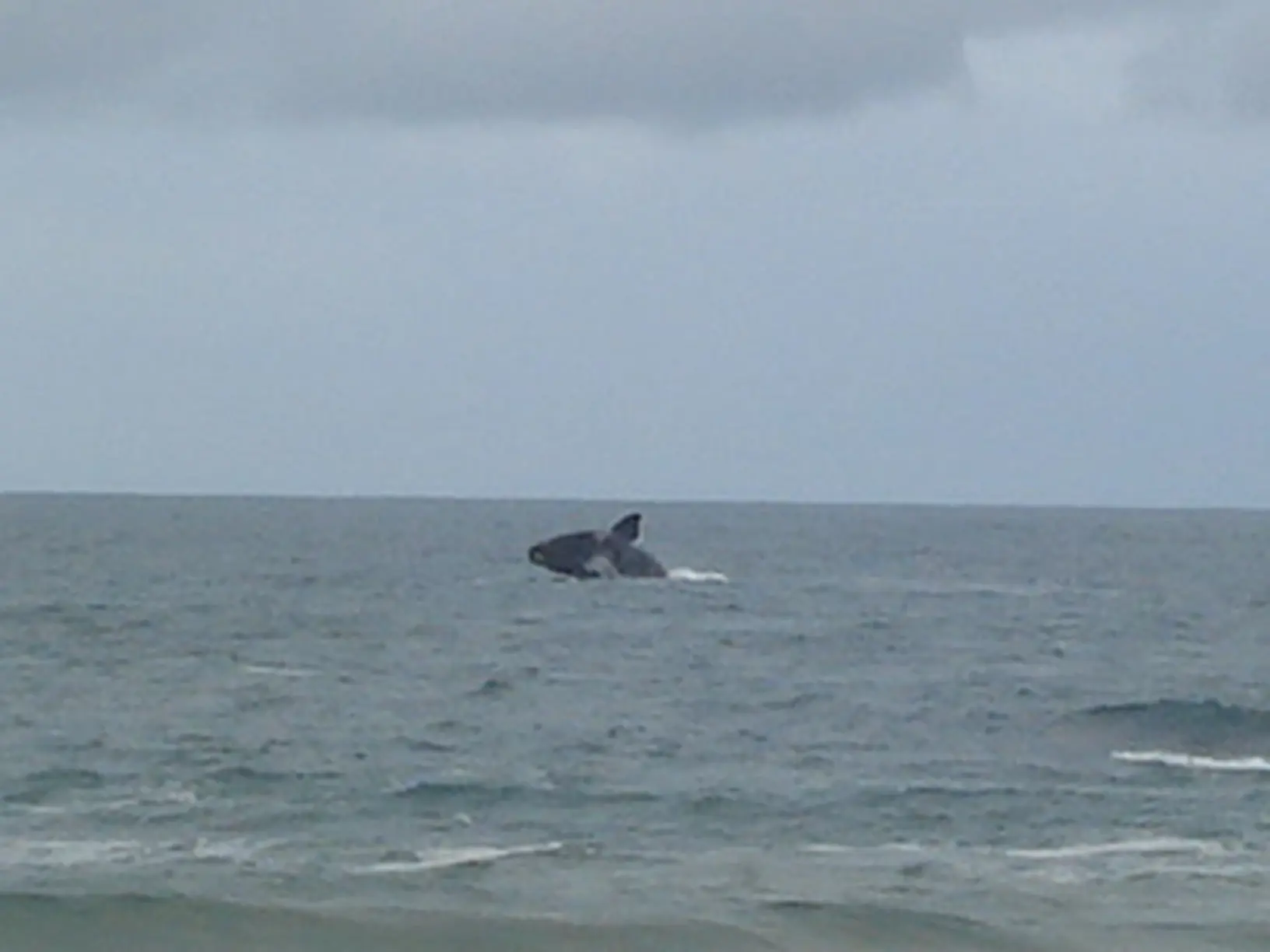

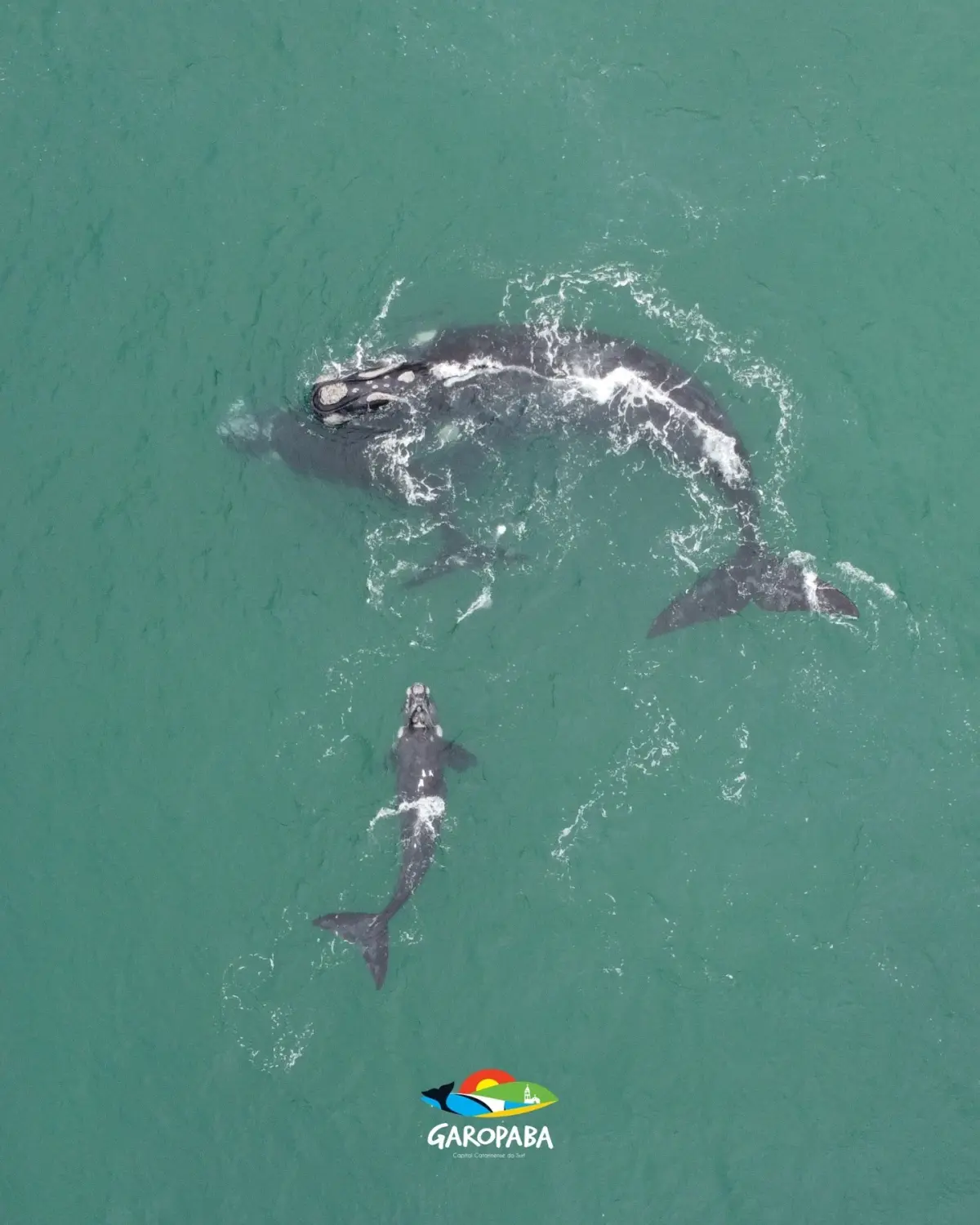
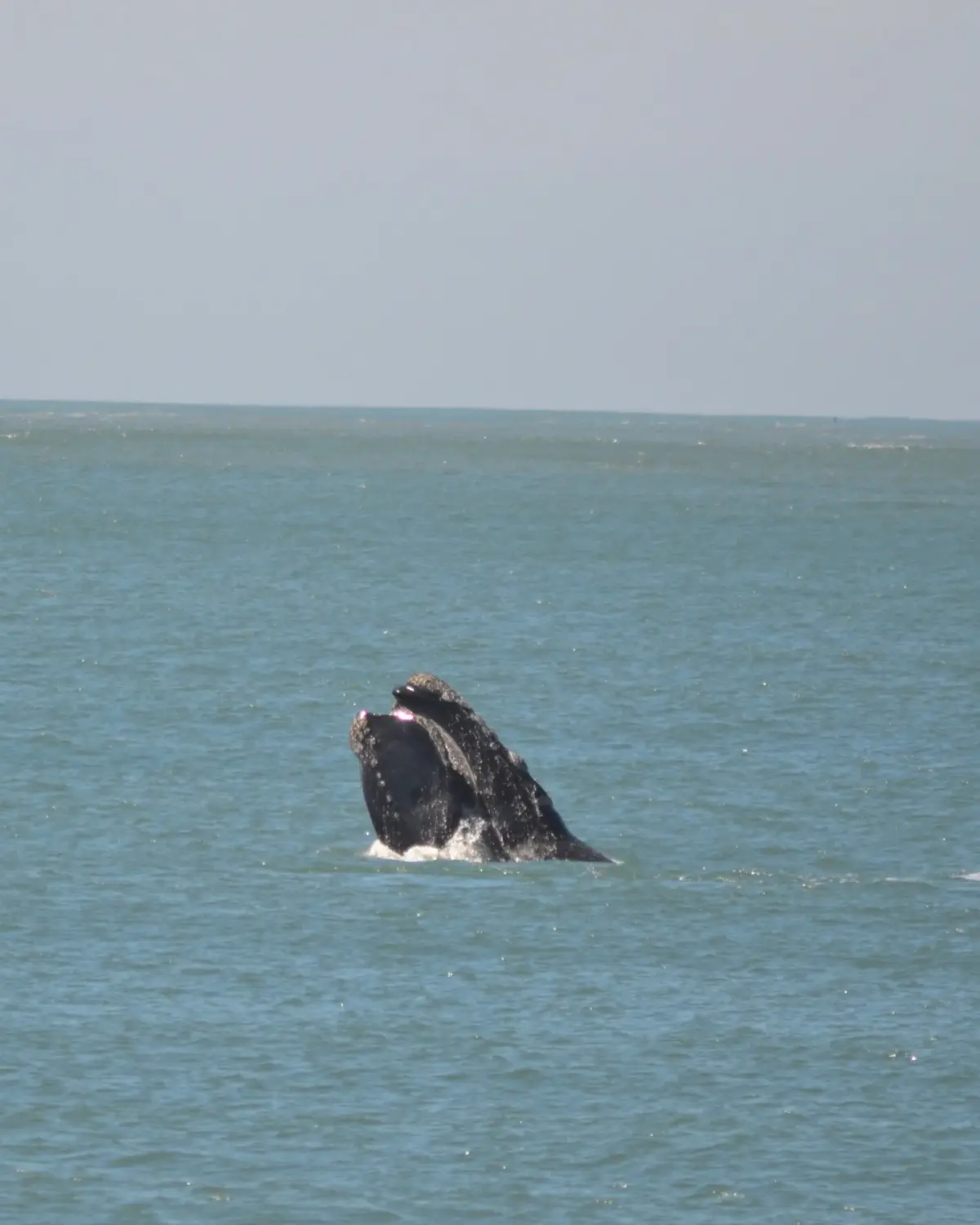
Photos: PREFEITURA DE GAROPABA (opens in a new tab); Garopaba Por Aí (@garopabaporai_tv) (opens in a new tab); Mapa ilustrativo do site; costa: colaboradores do OpenStreetMap (opens in a new tab); Geraldo D'Alascio, CC BY-SA 4.0, via Wikimedia Commons (opens in a new tab); Antônio João, CC BY-SA 3.0, via Wikimedia Commons (opens in a new tab).
What it is
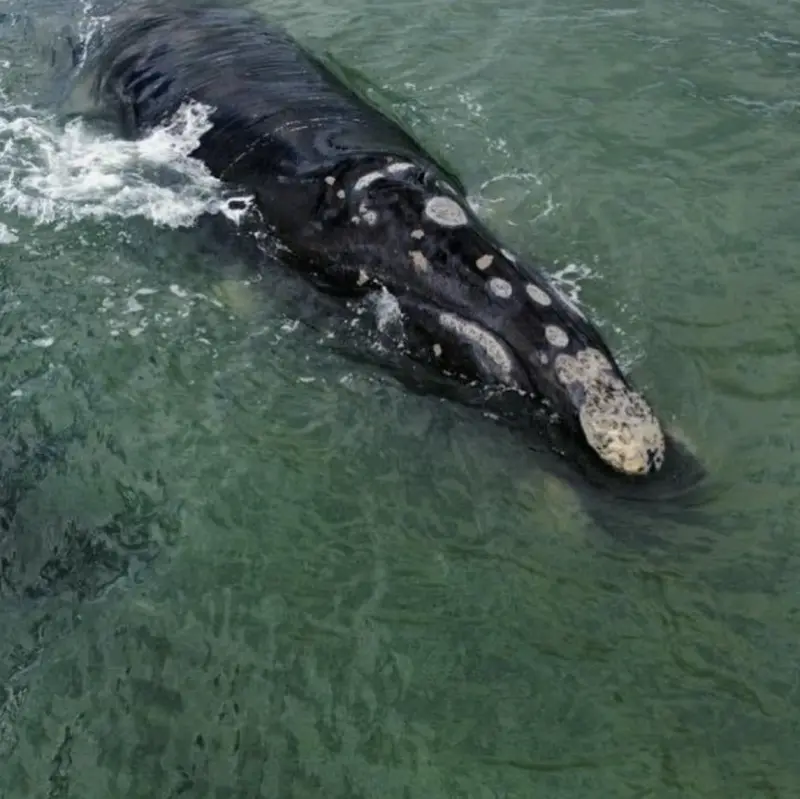
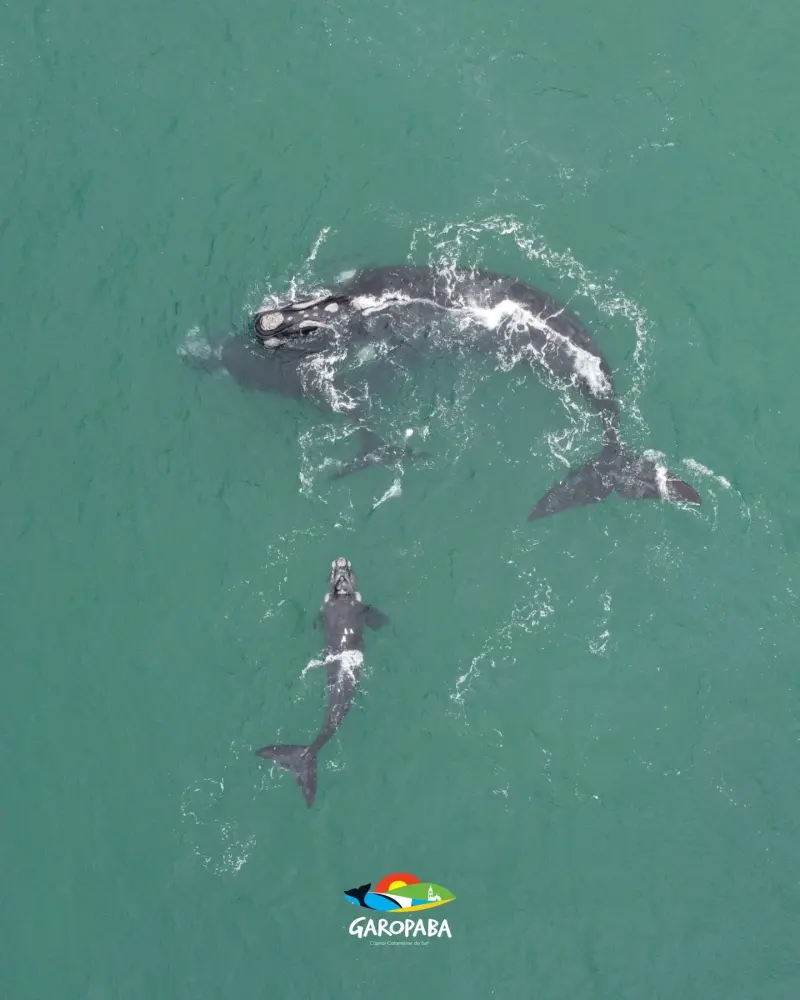
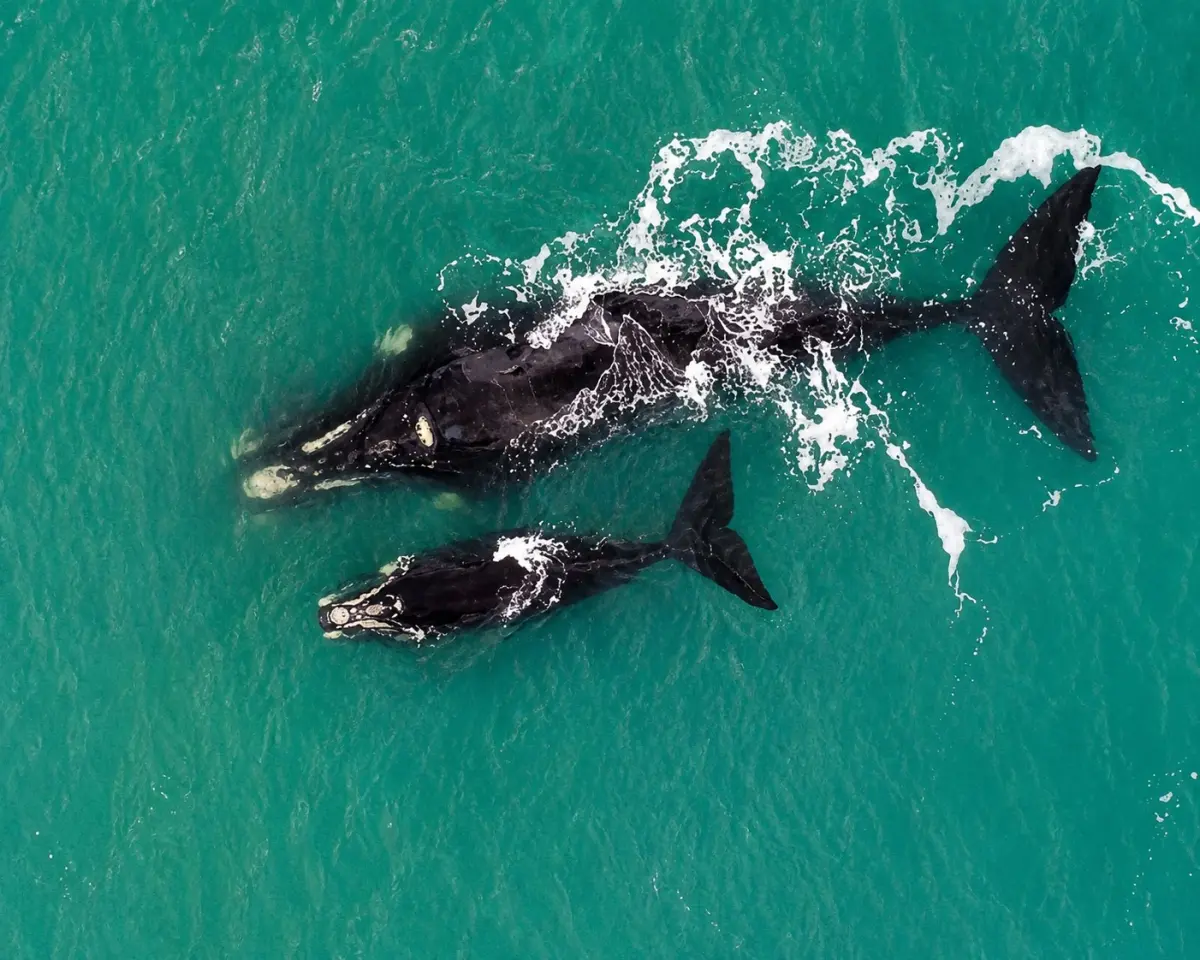
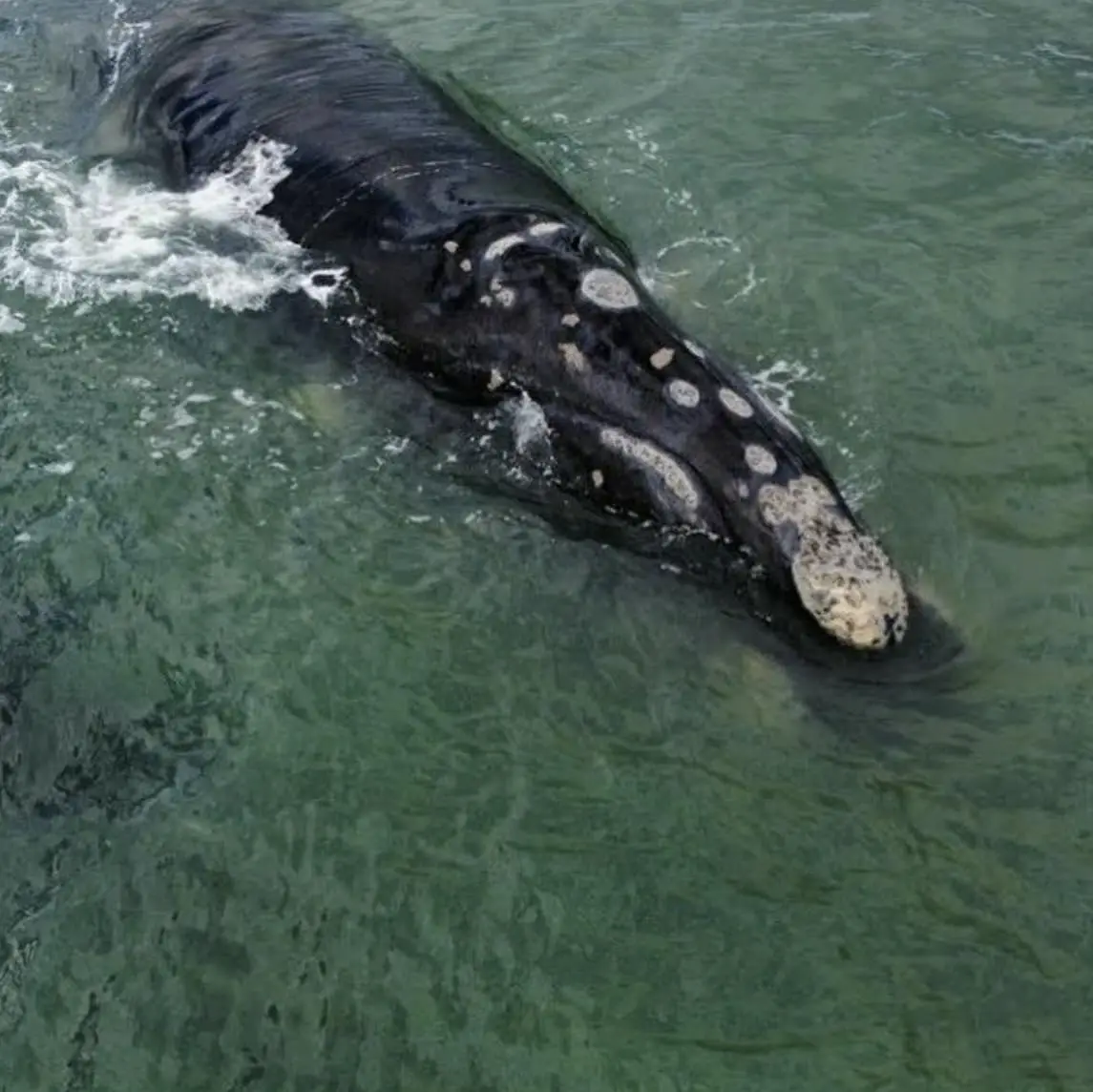
The southern right whale chooses the coast of southern Brazil as a nursery, and it is on Brazil's list of endangered species. It spends the summer in the cold waters near Antarctica, where it feeds (researchers have evidence that the whales that come to Brazil feed around South Georgia), and in winter it travels up to the coast of southern Brazil, where the sea is calmer, shallower and warmer, to mate, give birth and nurse. Females usually return every three years.
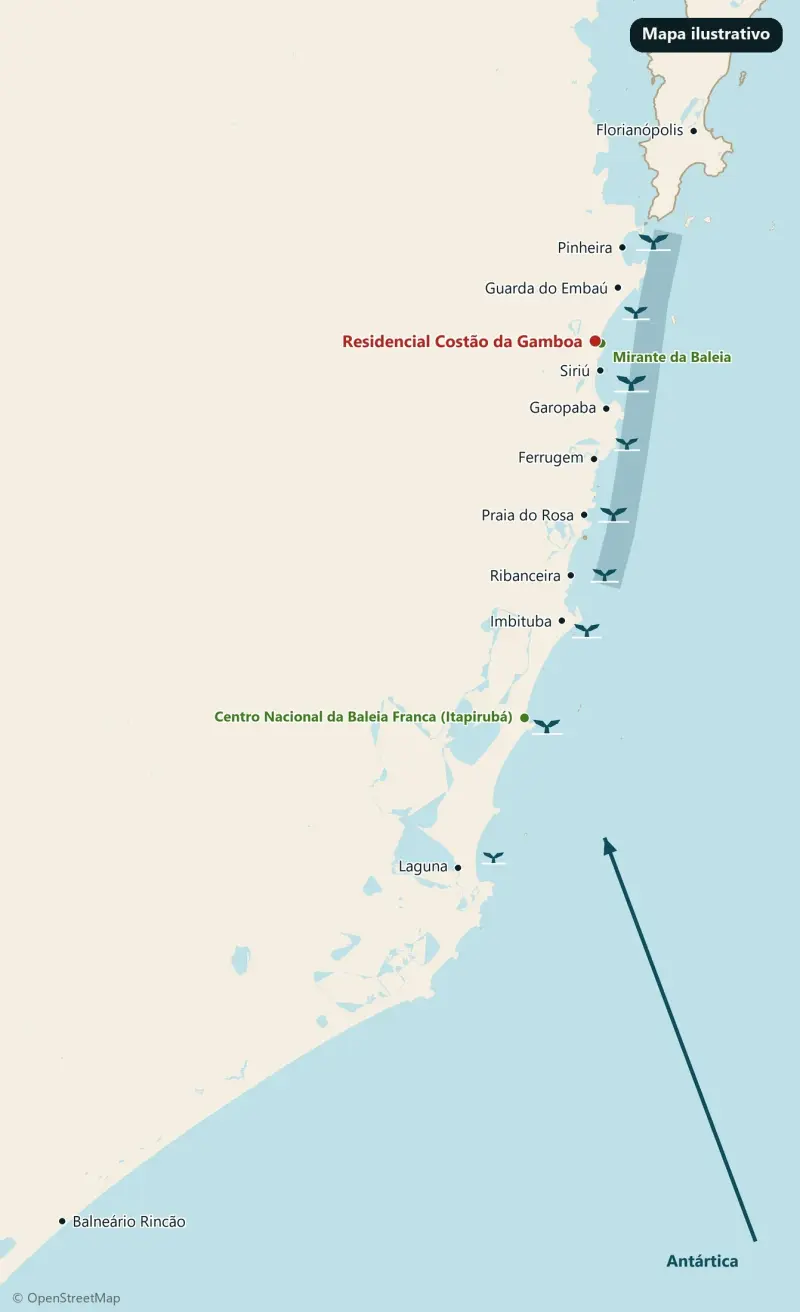
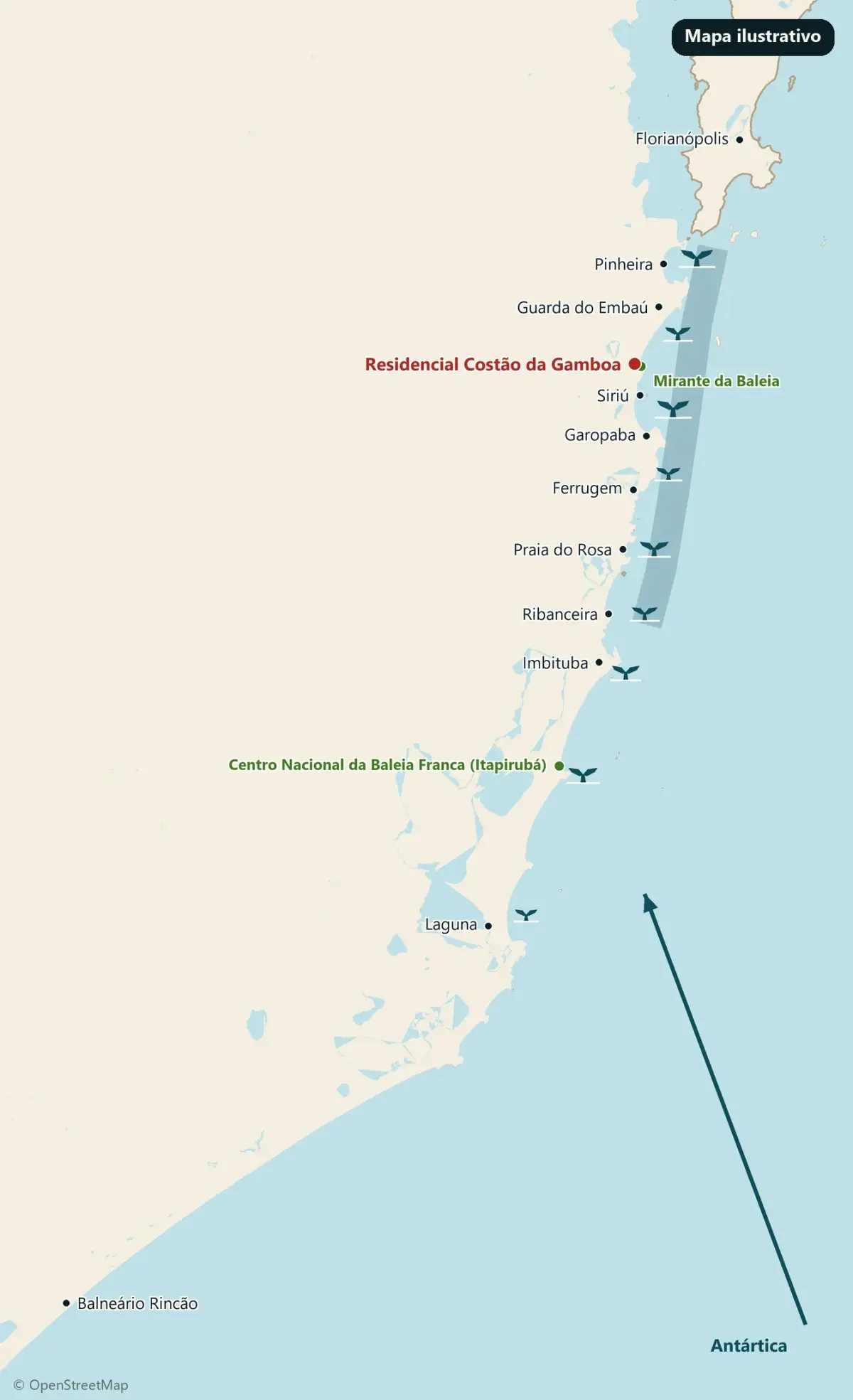
The coast between Florianópolis and northern Rio Grande do Sul is the species' main nursery in Brazil. In the aerial survey of September 10, 2025, between Torres and Florianópolis, researchers counted 185 whales: 90 mothers with calves and 5 adults. The report highlighted 38 whales between Ribanceira and Ibiraquera, in Imbituba, 32 at Siriú, next to Gamboa, and 30 in Pinheira bay. Whales known to the researchers, such as Zimba, Sloughy and Sunset, have been returning for more than two decades. Sloughy, born in Santa Catarina in 2002, is the only whale in the ProFRANCA catalogue ever photographed at South Georgia, and she has been seen at Gamboa. On the illustrated map on this page, the blue band shows the stretch between Pinheira and Ribanceira, where those groups were.
The season runs from July to November, with most sightings in August and September. In 2024, 2025 and 2026 the first ones arrived early: in 2026 the first calf was seen on June 16, at Itapirubá, Imbituba.
Gamboa bay was designated in 2006 as one of the APA's Refuge Areas. In a 2009 study by Instituto Baleia Franca, watching from the high ground at the south end of the beach from August to October, researchers saw whales on 27 of 33 days, almost always mothers with calves, with the most sightings in September.
Garopaba lies inside the Right Whale Environmental Protection Area, created in 2000 and managed by ICMBio, which runs from the south of Santa Catarina Island to Balneário Rincão. The whales in the region are studied by Instituto Australis through the Franca Austral Project (ProFRANCA): daily monitoring from August to November, aerial counts and, since 2024, satellite tracking of whales tagged in Imbituba, to discover their route to the feeding grounds.
What to do
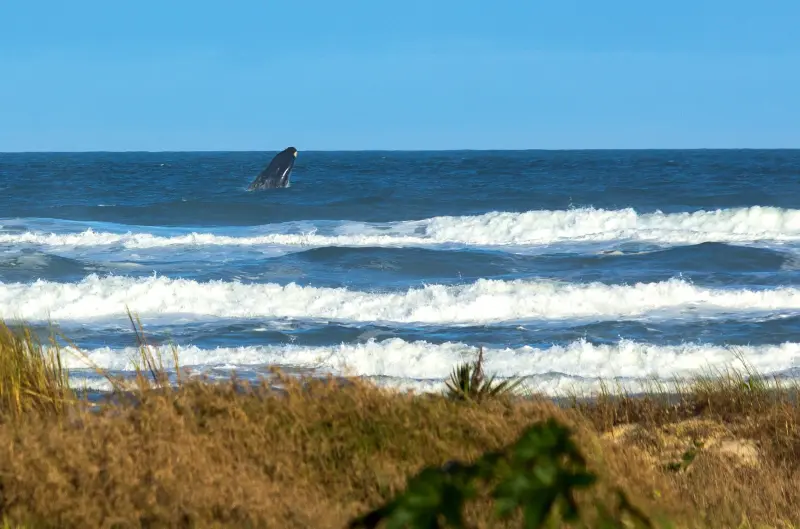
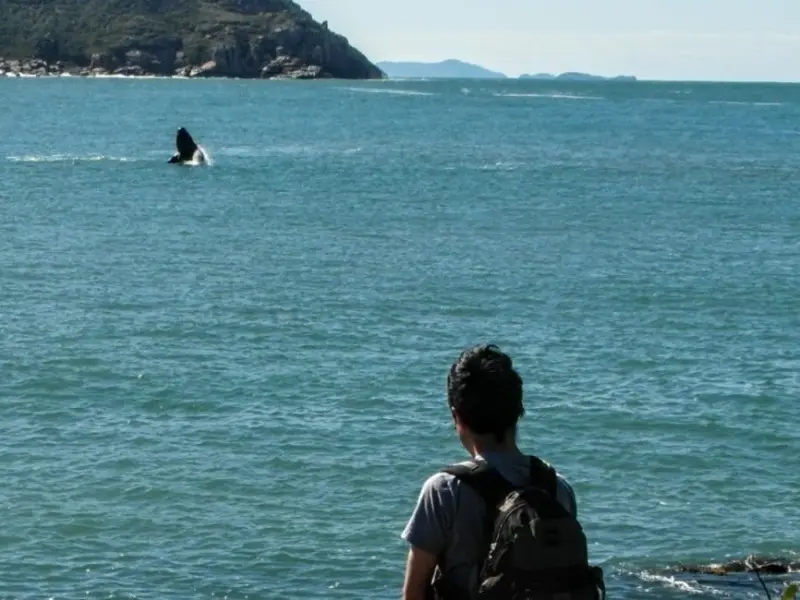
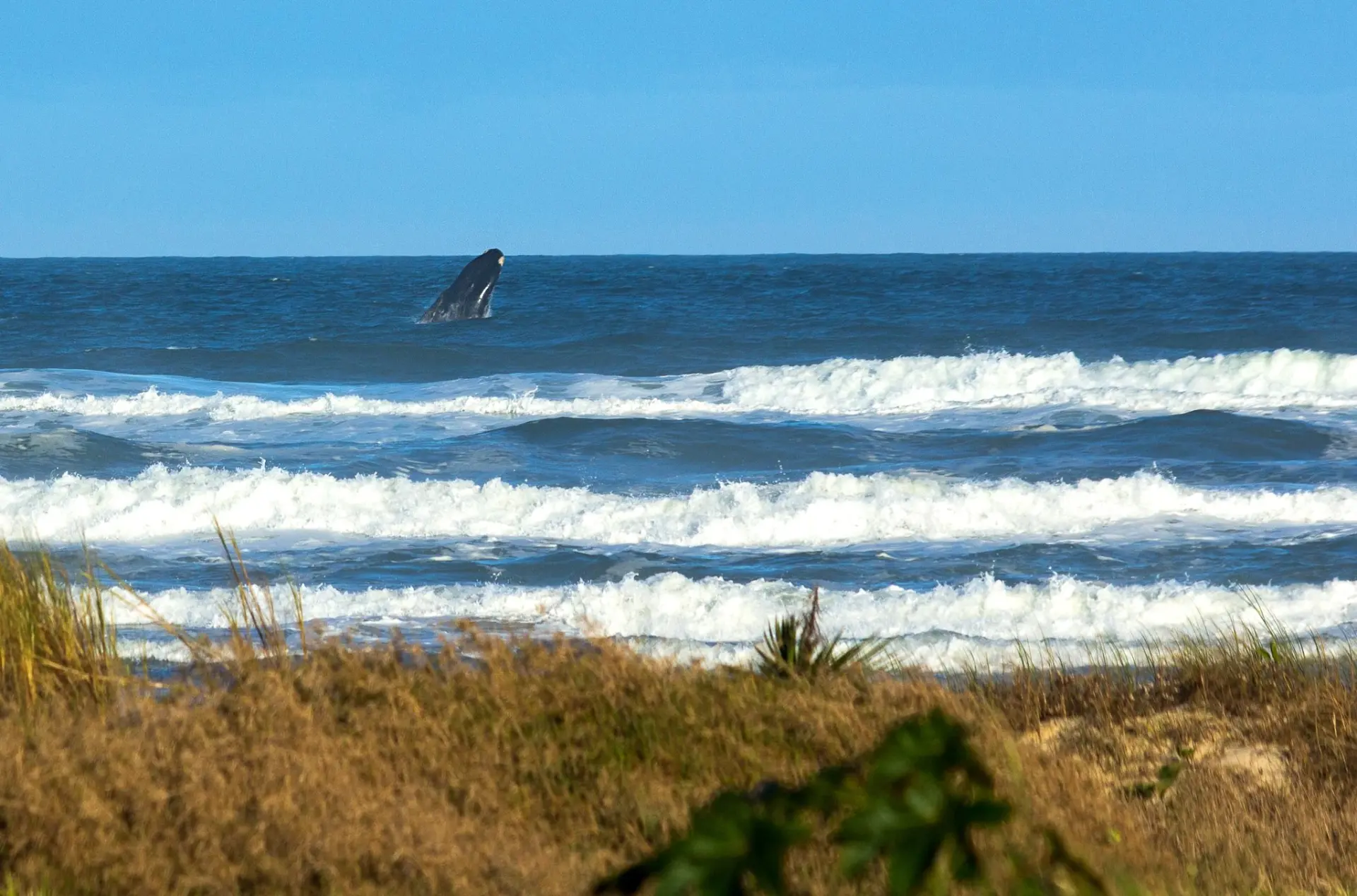
Whale watching is done from land: since 2013, boat-based whale watching has been banned in the region to protect mothers and calves. Good spots near the Residencial are the Whale Viewpoint in Gamboa, built by the community, the Siriú headlands and Siriú Viewpoint, Silveira Beach and the headlands of Praia do Rosa, where whales sometimes come within 100 meters. With luck, you can see them from the shore.
To follow the researchers' work and learn more about the species, download the free ProFRANCA app from Instituto Australis, for Android and iOS, which also has a map. To see the skeleton of a 14-meter right whale up close and scan the sea with a telescope, visit the National Right Whale Conservation Center at Itapirubá (Imbituba), free of charge. For guided whale watching, see the Projeto Cetáceos and Terra Mãe Ecoturismo tours in the Useful Guide.
Points of interest
- Whale Viewpoint: in Gamboa, built by the community.
- Siriú Viewpoint: the headland at the north end of Siriú, overlooking the open sea.
- Praia do Silveira: one of the best places to see the whales.
- Vigia viewpoint: on the hilltop, overlooking the bay and the sea.
- National Right Whale Conservation Center: in Itapirubá (Imbituba), with the skeleton of a 14-meter whale.
Tips
Bring binoculars and patience, and go on calm, low-wind mornings, when movement in the water is easier to spot. Look for the V-shaped blow: right whales exhale in two jets. Mothers tend to stay near the surf line, with the calf alongside.
Watch from a distance and quietly. Do not go into the sea to get closer, not even on a board, kayak or paddleboard: federal law 7,643 of 1987 forbids harassing whales, and mothers with calves are very sensitive. Seeing whales depends on nature and is never guaranteed.
Dates and programs may change: check with the organizers before going.