Community
Morro do Fortunato Quilombola Community
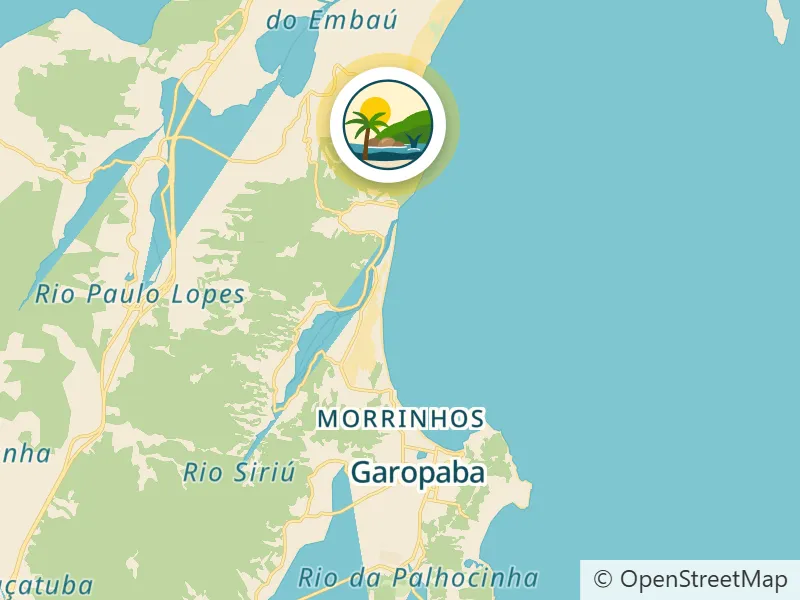
A quilombola community in the Macacu neighborhood, in northern Garopaba, among forest and hills, overlooking Macacu Lagoon and the Siriú Dunes.
From the Residencial: About 14.8 km by car
Open route in Google Maps (opens in a new tab) Waze (opens in a new tab)

Morro do Fortunato is a quilombola community (descendants of enslaved Africans) in the Macacu neighborhood of northern Garopaba, certified by the Palmares Cultural Foundation in 2006. The territory covers about 33 hectares and about 34 families.
The name comes from Fortunato Justino Machado, the son of an enslaved woman, Joana Maria de Jesus. According to the community's memory, after Abolition he received land to live on there, married and had eight children, and his descendants remain on the land, organized by kinship. Today the community lives from family farming and other work, and the women keep a large organic vegetable garden.
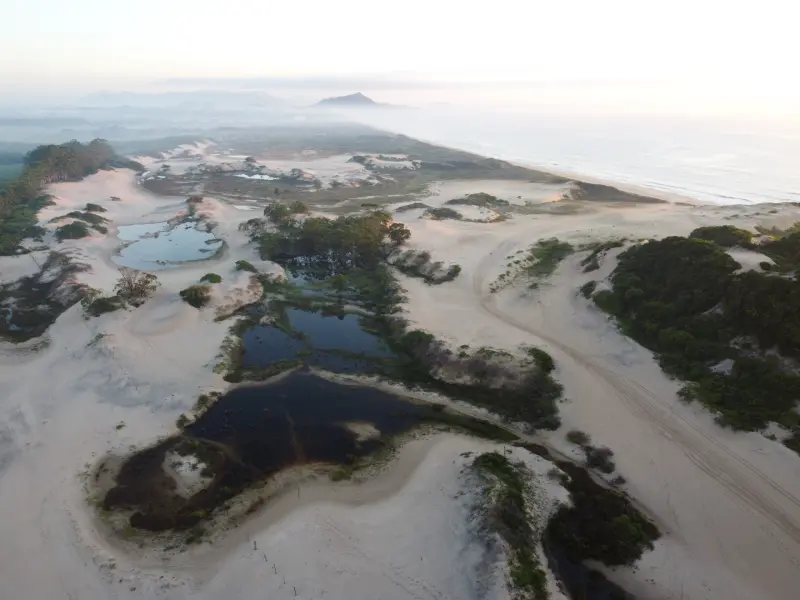
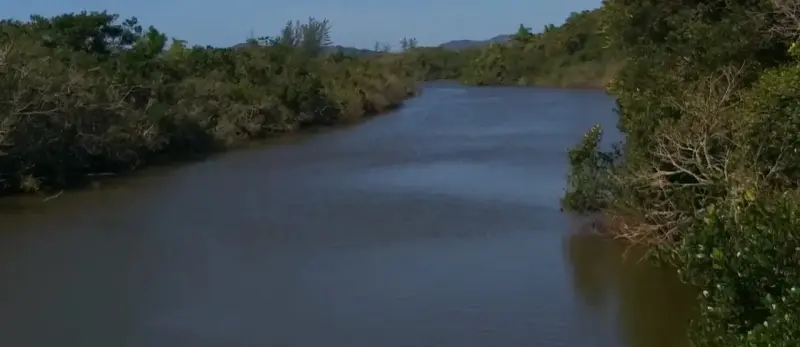
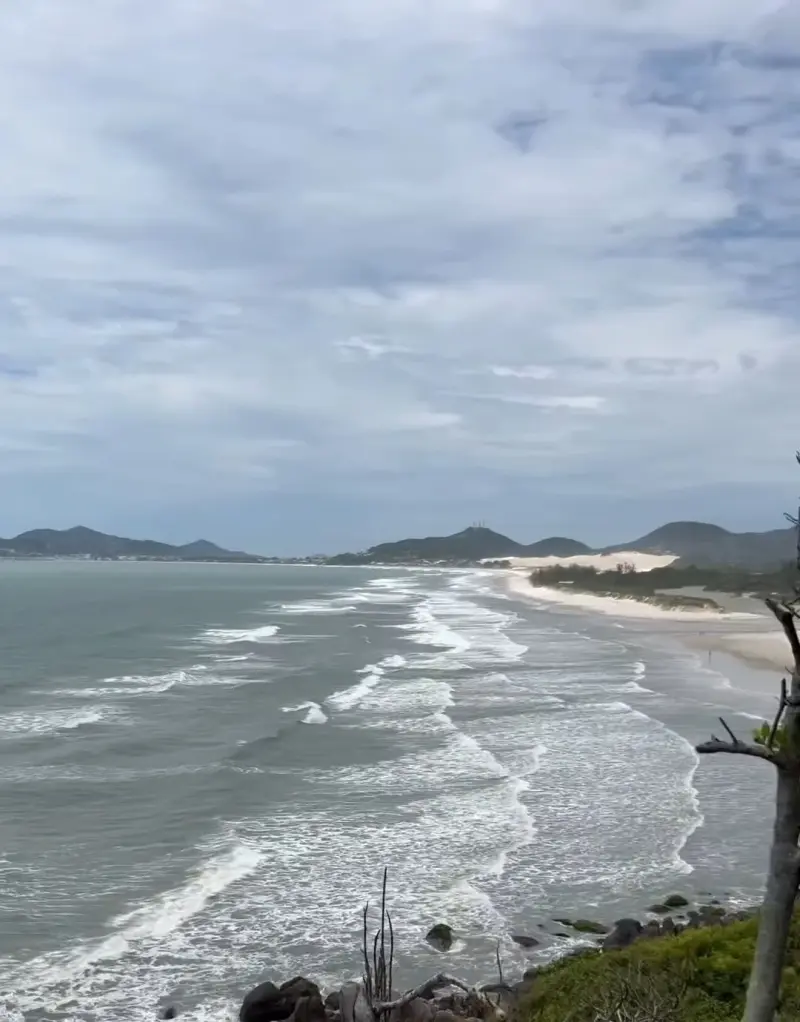
From the top of the hill you can see Macacu Lagoon reaching the sea, and the Siriú Dunes and beach.
Points of interest
- Macacu Lagoon: seen from the hilltop, reaching the sea.
- Siriú Dunes: the white dunes behind the lagoon.
- Macacu - Morro do Ambrósio Trail: an old path of about 4.9 km, guided only, ending at the community.
- Organic garden: grown by the community's women.
Getting there
Via Estrada Geral Morro do Fortunato, in the Macacu neighborhood. The Macacu - Morro do Ambrósio Trail, about 4.9 km, ends at the community and is only done with an environmental guide, on tours booked with local agencies.
Features
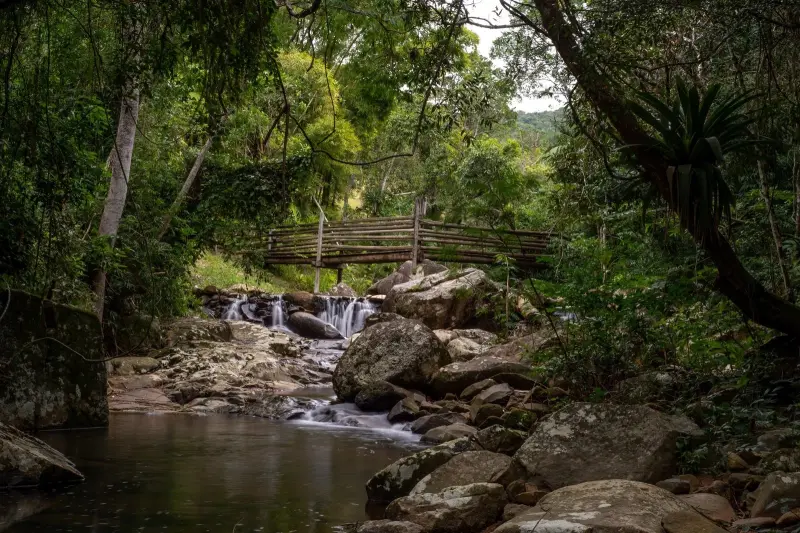
A traditional community with residents' homes, farmland and Atlantic Forest on the surrounding hills.
Things to do
Learn about the quilombola history of Garopaba, ideally with a local guide, and enjoy the view of Macacu Lagoon and the dunes.
Safety tips
People live here: visit respectfully, do not enter homes or land without being invited, and ask before photographing residents.